Zodiac Procrastination

Declan Kennedy
| 22-07-2026
 · Travel team
Everyone has moments when a simple task suddenly becomes much easier to avoid. A deadline may be approaching, yet somehow there is always time to organize a shelf, check one more message, or find another reason to wait.
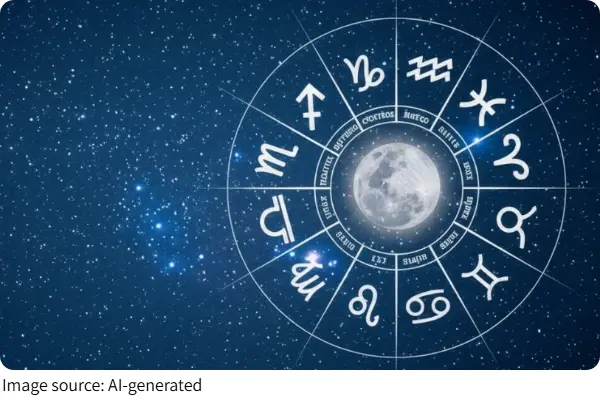
In astrology discussions, some zodiac personalities are often described as more likely to procrastinate because their symbolic traits reflect patterns like overthinking, dreaming, perfectionism, or avoiding pressure.
While astrology is not a science-based explanation for behavior, it can be a fun way to explore personal habits and self-awareness.
The Personality Behind the Pause
Procrastination is more than simply being lazy or careless. It often happens when a person struggles to begin something that feels stressful, difficult, boring, or emotionally uncomfortable. The mind may choose a quick sense of relief by avoiding the task, even when that choice creates more pressure later.
In zodiac-style interpretations, certain personalities may appear more likely to delay because of their natural tendencies. Some may spend too much time planning, some may chase new ideas before finishing old ones, and others may resist anything that feels restrictive or demanding. These patterns are less about destiny and more about understanding different approaches to challenges.

The Hidden Emotions Behind Delay
Behind procrastination, there is often an emotional story. A person may hesitate because they fear making mistakes, worry about not meeting expectations, or feel overwhelmed by the size of a goal. Waiting can feel comfortable in the short term because it removes immediate pressure.
This is why procrastination is often connected to emotional management rather than only time management. Learning to recognize uncomfortable feelings can help people understand why they delay and what they truly need to move forward.
How It Shapes Connections With Others
Personal habits do not exist alone; they can influence relationships, teamwork, and everyday responsibilities. Someone who often postpones plans or decisions may unintentionally create frustration for people around them.
However, understanding the reasons behind these behaviors can improve communication. A person who delays may not lack care or responsibility. They may simply need more structure, encouragement, or a clearer path to action. Supportive relationships can help turn hesitation into progress.
The Symbolic Meaning of Procrastination
From an astrology-inspired perspective, procrastination can represent a lesson about balance. Imagination needs action, careful thinking needs confidence, and independence needs responsibility. A tendency to pause may reveal areas where personal growth is possible.
The same traits that create delays can also become strengths. Deep thinkers may create thoughtful solutions, creative minds may discover unique ideas, and careful personalities may notice important details others overlook.
Turning Delay Into Personal Growth
Every personality type has the ability to transform its challenges into strengths. Small steps, realistic goals, and consistent routines can help create forward movement without overwhelming pressure.
Instead of seeing procrastination as a permanent flaw, it can be viewed as a reminder to understand yourself better. The most important change often begins with one simple decision: starting, even if the first step is small.
Final Advice For You
Whether your delays come from perfectionism, distraction, or uncertainty, they do not define who you are. Use self-awareness as a guide, create habits that support your goals, and remember that progress does not require perfection. Astrology can offer interesting reflections about personality, but your actions and choices remain the true force behind your growth.
This content is for entertainment and general insight only and does not constitute professional advice.