Car Technology Guide

Chris Isidore
| 24-06-2026
 · Automobile team
Modern cars, whether powered by fuel, hybrid systems, or electricity, are built using advanced engineering that improves efficiency, safety, comfort, and overall driving performance.
Across all vehicle types, several core technologies define how a vehicle behaves on the road.
Aerodynamics and Efficiency
Vehicle design plays an important role in how efficiently a car moves through air and uses energy. A well-designed exterior reduces resistance and improves overall performance.
Key efficiency elements include streamlined body shapes, smooth underbody construction, reduced air resistance, and optimized airflow management. These improvements help vehicles achieve better fuel economy or energy efficiency depending on the power system used.
Power Systems and Energy Use
Modern vehicles are built with different power systems, each designed for specific performance and efficiency goals.
Internal combustion systems rely on fuel combustion to generate power. Hybrid systems combine fuel engines with electric support to improve efficiency. Fully electric systems use stored battery energy to power the vehicle without direct fuel use.
Each system offers a different balance between range, performance, and energy consumption, allowing drivers to choose based on their needs.
Refueling and Charging
Energy replenishment varies depending on the vehicle type and technology used.
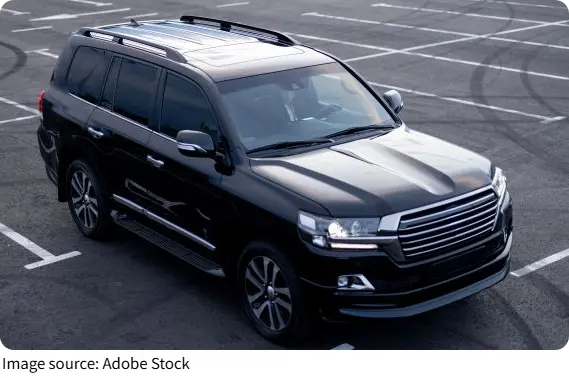
Fuel-powered vehicles can be refueled quickly at stations, usually within minutes. Hybrid vehicles use a combination of fuel refueling and electrical charging. Electric vehicles require external charging, which can vary in duration depending on charger speed and battery capacity.
Charging infrastructure and technology continue to improve, reducing waiting times and increasing convenience.
Driving Performance
Modern vehicles are engineered to deliver smooth, stable, and responsive driving experiences across different road conditions.
Performance systems include automatic transmission, traction control, stability control, and selectable driving modes such as eco, comfort, and sport. These systems help optimize driving behavior based on road conditions and driver preference.
Acceleration, handling, and responsiveness vary depending on engine or motor configuration and overall vehicle design.
Smart Technology
Advanced digital systems are now an important part of modern vehicles, improving both safety and convenience.
These systems include touchscreen interfaces, driver assistance features, automatic emergency braking, lane-keeping support, and digital instrument displays. Some vehicles also support software updates that improve functionality over time.
These technologies help enhance driver awareness, reduce human error, and improve overall driving experience.
Comfort and Safety Systems
Comfort and safety are central to modern automotive design.
Interior comfort systems include climate control, adjustable seating, cabin air filtration, and noise reduction materials that improve the driving experience. Safety systems include airbags, anti-lock braking, electronic stability control, collision warning systems, and parking assistance features.
Together, these systems support both driver comfort and passenger protection in a wide range of driving conditions.
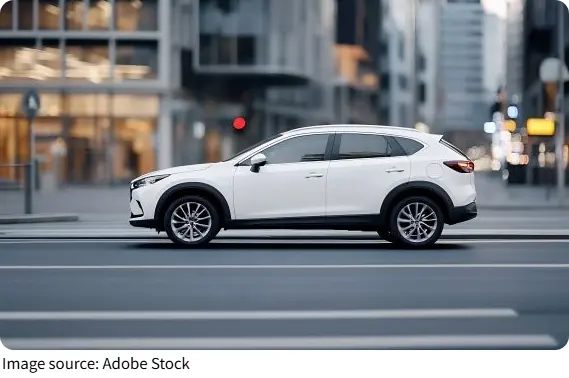
Modern vehicles are designed using advanced technologies that improve efficiency, safety, performance, and comfort across all powertrain types. Whether fuel-powered, hybrid, or electric, each system offers unique advantages. The best choice depends on individual priorities such as efficiency, driving experience, and convenience.