The Power of Portraits

Chris Isidore
| 25-06-2026
 · Art team
Art has a remarkable way of communicating emotions that words sometimes cannot express.
Among the many forms of artistic expression, portrait painting holds a special place because it captures more than a person's appearance. It reflects emotion, personality, memories, and moments that continue to speak to viewers long after the artwork is completed.
Lykkers, every portrait tells a story. Through thoughtful use of color, light, expression, and composition, artists create meaningful works that encourage people to pause, reflect, and connect with the emotions within the painting.
More Than A Face
A portrait is much more than an image of someone. It is a visual story that captures personality, mood, and emotion in a single moment. Every expression, posture, and small detail helps reveal something unique about the subject.
Rather than focusing only on appearance, portrait artists aim to communicate feelings that viewers can recognize and understand. A gentle smile may express warmth, while thoughtful eyes can inspire curiosity or quiet reflection.
The next time you look at a portrait, spend a few moments observing the subject before reading the title. Your first emotional impression is often an important part of the artist's message.
Expressions Speak Without Words
Human expressions naturally communicate emotion. A portrait allows viewers to understand feelings without a single sentence being written. A person's gaze, hand position, and subtle expression can suggest confidence, hope, peace, kindness, or contemplation.
Because emotions are widely understood, portrait paintings often create meaningful connections between people from different backgrounds and generations. Every viewer may notice something different, making each experience unique.
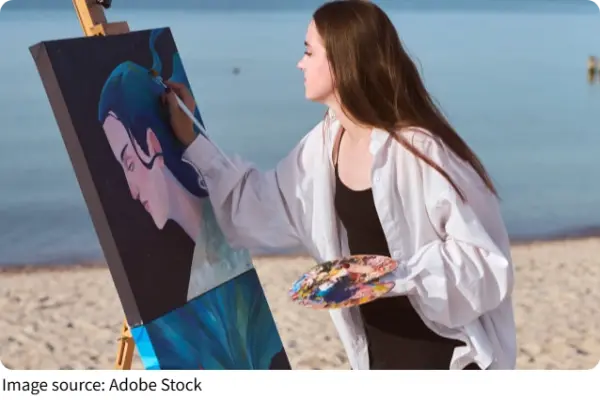
The Language Of Color
Color plays a powerful role in shaping how a portrait feels. Warm colors often create a welcoming and comforting atmosphere, while cooler tones can encourage calmness and thoughtful reflection. Gentle color transitions bring harmony, while stronger contrasts add energy and visual interest.
Artists carefully choose color palettes to guide the viewer's emotions and strengthen the story without relying on words.
As you view a portrait, notice which colors stand out first. They often help define the mood of the artwork.
Light Reveals Emotion
Lighting does more than illuminate a portrait. It directs attention, creates depth, and highlights the emotions the artist wants viewers to notice.
Soft lighting often creates a peaceful atmosphere, while stronger contrasts can add drama and visual impact. Light naturally guides the viewer's eyes toward the most meaningful parts of the composition, helping tell the story with clarity.
Looking closely at where the light falls can reveal the emotional focus of the painting.
Details Tell A Story
Every element in a portrait can contribute to its meaning. Clothing, backgrounds, objects, and gestures are carefully chosen to support the story being told.
A flower may represent growth or hope. An open window can suggest opportunity or fresh beginnings. A favorite book, musical instrument, or handcrafted object can quietly reveal a person's interests and character.
These thoughtful details encourage viewers to spend more time with the artwork, discovering new meanings with each observation.
Composition Creates Connection
The arrangement of a portrait influences how viewers experience it. The position of the subject, the balance between objects, and the use of space all help guide attention and create emotional impact.
A close composition can create a feeling of intimacy, while more open space may encourage reflection. Artists use composition to gently lead the viewer's eyes through the painting, making every element work together as one complete story.
Understanding composition helps viewers appreciate the careful decisions behind every portrait.
Why Portraits Remain Meaningful
Portrait paintings preserve moments that cannot be repeated. They celebrate personal stories, meaningful memories, and human emotion in a way that continues to inspire future viewers.
Although styles and techniques may change over time, the emotional connection created by a well-crafted portrait remains timeless. Every generation can discover something meaningful within the same artwork, giving portraits lasting value that extends far beyond the canvas.

Looking Beyond The Canvas
Portrait art invites us to slow down and see more than a person's appearance. Every expression, color, brushstroke, and carefully chosen detail works together to tell a meaningful story and create an emotional connection.
Lykkers, the next time you stand before a portrait, take a little extra time to explore its details. Notice the emotions, the light, the colors, and the symbols that bring the artwork to life. A great portrait does more than capture a moment—it preserves feelings, inspires reflection, and reminds us that art has the power to connect people across time through shared human experiences.