EV vs Hydrogen

Arjun Mehta
| 26-06-2026
 · Automobile team
Hi, Readers! The future of clean cars often gets framed like a dramatic showdown: battery electric vehicles in one corner, hydrogen fuel cell vehicles in the other, both revving quietly and waiting for the flag to drop.
However, once you look under the hood, this is less a winner-takes-all race and more like two runners on very different tracks.
Hydrogen fuel cell electric vehicles have clear strengths, but battery electric vehicles still hold a major lead in passenger transport because they are further along in market growth, infrastructure, and cost trends.
Battery electric vehicles, often called EVs, have surged ahead because the basic system is easier to build around. Charge the battery, plug in at home or at a public charger, and off you go. Hydrogen fuel cell vehicles work differently. They turn hydrogen into electricity inside the vehicle, which gives them quick refueling and long driving range.
That sounds terrific on paper, and in some cases it really is. The catch is that hydrogen needs a whole support system, including production, transport, storage, and refueling stations. That network is not simple, and it is not cheap.
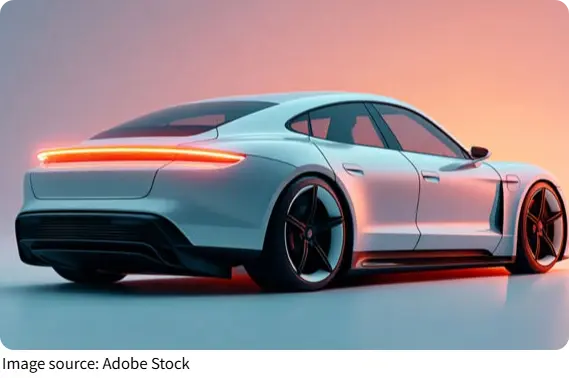
How the two systems work
Battery electric vehicles store electricity directly in a battery pack. It is a bit like filling a reusable water bottle straight from the tap. Fuel cell vehicles take hydrogen onboard and convert it into electricity through a fuel cell system. That is more like carrying ingredients and making the drink on demand.
Both approaches can reduce tailpipe emissions, but they rely on very different energy chains. The International Energy Agency (IEA) points out that fuel cell vehicles are especially attractive where fast refueling and longer range matter most, particularly in heavier vehicles that cover long distances.
Why electric cars lead today
For regular passenger cars, battery electric models have momentum that is hard to ignore. They already have a larger market presence, and charging networks are spreading across many regions. Battery costs have also fallen significantly over time, which has helped EV prices move closer to conventional vehicles.
In plain terms, EVs have gone from niche gadget to driveway regular. Hydrogen cars, by contrast, remain limited in availability and face higher costs for both vehicles and fueling infrastructure. If battery cars are the popular new cafe in town, hydrogen cars are still trying to find the right address and put up the sign.
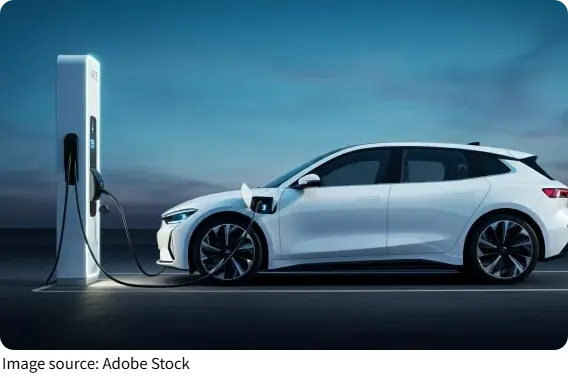
Where hydrogen could shine
That does not mean hydrogen is out of the running. Far from it. The IEA highlights that hydrogen fuel cell technology may be better suited to larger vehicles such as trucks, buses, and commercial fleets. These vehicles often need longer range, shorter refueling times, and high usage rates, making hydrogen more practical in some cases.
A long-haul truck cannot always sit around waiting to recharge for extended periods. In that setting, hydrogen starts to look less like an outsider and more like a specialist tool, the kind you reach for when the regular toolbox starts looking a little small.
The infrastructure problem
One of the biggest hurdles for hydrogen vehicles is refueling infrastructure. Building hydrogen stations is expensive, and without enough vehicles on the road, station operators struggle to justify the investment. But without stations, drivers are not eager to buy the vehicles. It is the classic chicken-and-egg puzzle, just with more pipes and pressure tanks.
EVs have an advantage here because electricity is already widely available, even if fast charging still needs expansion and upgrades. Charging infrastructure is not effortless to scale, but it is building on a system people already use every day.
Efficiency and cost matter
Energy efficiency is another major difference. Battery electric vehicles generally use electricity more efficiently than hydrogen vehicles, because hydrogen must first be produced, then compressed or liquefied, transported, and finally converted back into electricity inside the car. Each step takes energy.
That makes the full chain less efficient overall. The IEA also notes that for hydrogen vehicles to expand significantly, hydrogen supply would need to scale up and become more cost-competitive, especially if the goal is to cut emissions in a meaningful way.
In the end, battery electric cars are in the stronger position to dominate passenger transport, while hydrogen may carve out important roles in heavier and high-use transport segments. So if you are asking which will win, the honest answer is that they may not be chasing the same trophy.
EVs look set to stay the main act for everyday drivers, while hydrogen could become the dependable specialist for tougher transport jobs. The road ahead is wide enough for more than one clever machine, and that may be the smartest outcome of all.