Skyline Arch Bridge

Zoe
| 13-07-2026
 · Travel team
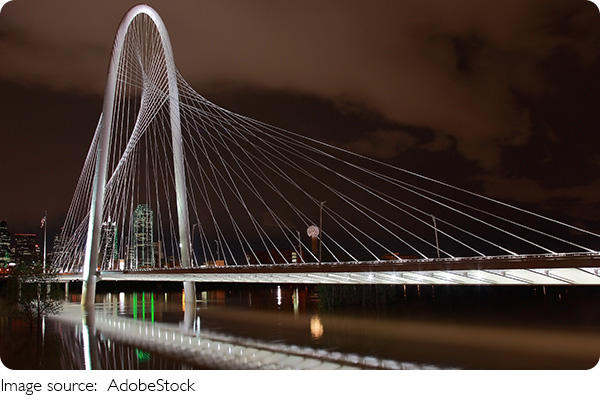
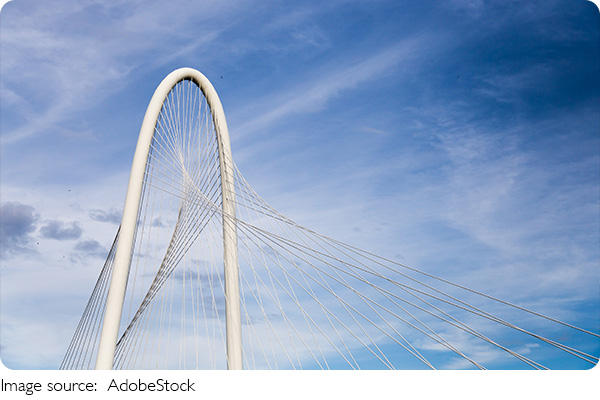
The Margaret Hunt Hill Bridge in Dallas, Texas, is a free public landmark spanning the Trinity River. Designed by Santiago Calatrava, it is known for its 400-foot white steel arch and cable design.
The bridge connects downtown Dallas with West Dallas and the Trinity Groves district, making it both a transportation route and a sightseeing spot.
We can walk, cycle, or drive across, but most visitors come for skyline views, sunset photography, and riverfront walking trails.
Margaret Hunt Hill Bridge
Ticket Price & Entry Cost
One of the best things about this attraction is its accessibility:
- Bridge access: Free
- Walking trails nearby: Free
- Parking: Free or paid depending on zone
Parking cost details:
- Street parking near Trinity Groves: Free (limited, 2–3 hours typical)
- Private lots near restaurants: $5–$15 per visit during busy hours
- Event parking (weekends/festivals): $10–$20
There are no ticket booths or entry restrictions since this is a public infrastructure site.
Opening Hours & Best Time to Visit
The bridge is open 24 hours a day, 7 days a week.
However, experience changes depending on time:
- Morning (6:00–9:00 AM): quiet, soft light, ideal for walking
- Afternoon (4:00–6:30 PM): best lighting for photos
- Evening (sunset–10:00 PM): skyline glow and river reflections
We recommend sunset as the most visually impressive time.
Transportation Guide & Travel Costs
From Dallas Downtown
- Distance: ~1.5–2 km
- Taxi / rideshare: $8–$15 one way
- Driving time: 5–10 minutes
Public transport
- Dallas DART bus routes serve Singleton Blvd area
- Bus fare: about $2.50 per ride
- Requires a short 10–15 minute walk to the bridge
Walking / cycling
- From downtown via Trinity Skyline Trail
- Time: 20–35 minutes
- Free and highly recommended for scenery
Nearby Accommodation (Hotel Price Guide)
We can stay in downtown Dallas or West Dallas depending on budget:
Budget stays
- $80–$120 per night
- Basic hotels and motels in West Dallas area
- Simple rooms, limited amenities
Mid-range hotels
- $130–$220 per night
- Downtown Dallas hotels (better skyline views, easy access)
Luxury hotels
- $250–$500+ per night
- High-rise hotels near downtown with river or skyline views
Tip: Staying downtown is more convenient for walking to the bridge.
Food & Dining Prices Near the Bridge
The most popular food area nearby is Trinity Groves, located just across the bridge.
Average food costs:
- Breakfast / café items: $8–$15
- Casual meals: $12–$25
- Restaurant dining: $25–$60 per person
- Desserts / sweets: $5–$12
Popular dining styles:
- Chicken burgers, tacos, seafood bowls, grilled dishes
- Bakery desserts and handmade chocolate shops
- Outdoor patio dining with skyline views
Example experience:
- A full dinner with drink alternatives and dessert typically costs $30–$50 per person.
What We Can Do Around the Bridge
This area is not just for viewing the bridge—it is a full riverfront experience:
- Walk the Trinity River trails (5 miles of pathways)
- Explore Trinity Groves dining district
- Visit viewing parks overlooking downtown skyline
- Take photos from riverbanks or pedestrian bridges
- Enjoy seasonal events or food truck gatherings
We can easily spend 2–4 hours here without rushing.
Best Photography Spots
For the best travel photos:
- River levee area (full arch framing)
- Ronald Kirk Pedestrian Bridge (skyline + bridge combo)
- Trinity Groves patio areas (urban + river contrast)
- Sunset reflection points along the river
Golden hour is the most recommended time for soft lighting.
Travel Tips We Should Know
- Wear comfortable shoes for walking trails
- Bring water during summer months (temperatures can be high)
- Parking fills quickly on weekends
- Evening visits may be windy near the river
- Combine visit with nearby downtown attractions for a full-day plan
- Check local events in Trinity Groves for food festivals or markets
Final Experience
The Margaret Hunt Hill Bridge is more than a crossing—it is a gateway between downtown Dallas and a growing riverfront district filled with dining, walking paths, and skyline views.
With free access, flexible visiting hours, nearby food options, and scenic viewpoints, it is one of the easiest and most rewarding stops in the city.
Lykkers, if we plan a Dallas trip, this is a place where we can slow down, enjoy the skyline, and experience how a modern bridge can shape the rhythm of an entire neighborhood.