Fried Food

Vivienne
| 25-08-2026
 · Cate team
Hi, Friends! You know that feeling when you walk past a food stall and the smell of something sizzling in hot oil just stops you in your tracks?
Your feet slow down, your eyes light up, and suddenly nothing else in the world matters. That pull is real, and you are absolutely not alone in feeling it.
There is actually a beautiful, fascinating reason why fried food keeps calling your name, and today we are going to explore it together.
It Is Not Just Taste, It Is Science
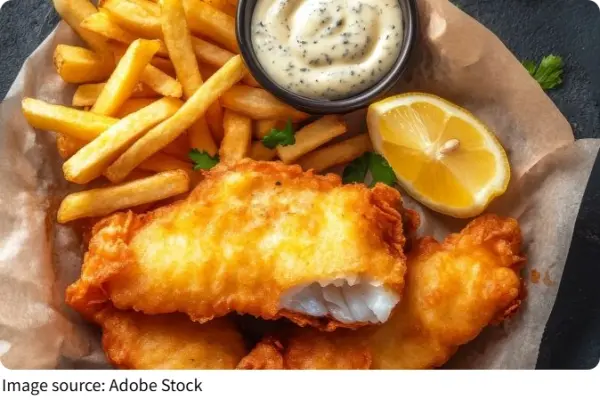
People love fried foods because they deliver a perfect storm of sensory pleasure that our brains are biologically wired to crave. This irresistible appeal comes from a trifecta of chemistry, texture, and evolution: the rich flavor and energy density from oils, the satisfying crunch that signals freshness, and the complex, savory aromas created by the Maillard reaction. Yes, your love for that golden, crispy coating is literally baked into your biology. How cool is that?
Our brains associate the high caloric content of oils with survival and reward, releasing feel-good chemicals like dopamine. So every time you bite into something beautifully fried, your brain is essentially throwing a little celebration for you. That warm, satisfied feeling you get? It is dopamine doing its thing.
The Sound, the Smell, the Magic
Our enjoyment of food is a full-sensory experience, and fried food excels at hitting multiple sensory notes at once. Think about it. Before you even take a bite, the experience has already begun.
The audible crunch is a powerful psychological signal. We associate crunchiness with freshness and quality. Think about biting into a stale chip versus a crispy one, the sound alone tells your brain which one is better before you even register the taste.
And then there is the aroma. As the Maillard reaction and oil rendering occur, they release volatile organic compounds into the air. This is the irresistible smell that wafts from a donut shop or a fast-food restaurant. This aroma primes your brain, building anticipation and making the food taste even better when you finally eat it. That is why just walking past a fried food stall can make you feel genuinely hungry even when you just had a meal.
Oils and Salt Are a Powerful Team
The combination of oils and salt triggers the release of dopamine, a neurotransmitter associated with pleasure and reward. This creates a positive feedback loop in our brains that makes us want to keep eating more. It is not a lack of willpower, friends. It is literally your brain chemistry responding to a deeply satisfying combination of flavors.
The foods that people are most likely to compulsively overeat tend to have something in common: a powerful combination of carbohydrates and oils. Fried foods, with their crispy coatings and rich interiors, check both of those boxes perfectly every single time.
Memories and Emotions Play a Big Role
Here is the part that really gets to the heart of things. Fried foods are often associated with feelings of comfort and nostalgia, which can evoke strong emotional responses. This emotional connection can make it difficult for people to resist the temptation of fried foods, even when they know it is not the healthiest option.
Nostalgia plays a significant role in the popularity of fried food. Many people have fond memories of eating fried foods during childhood, such as fried chicken at family gatherings or french fries at the beach. These memories can evoke strong emotional responses, making people more likely to crave fried foods when they are feeling stressed or nostalgic.
That craving is not just about the food itself. It is about belonging, about love, about moments that made you feel safe and happy. Fried food carries those memories with it like a warm hug on a plate.
Is It Really That Addictive?
Some research suggests that high-oil foods can be addictive, leading to cravings and compulsive overeating. And while food addiction is not an official medical diagnosis, addictive food behaviors have been linked to certain health conditions, researchers continue to study the very real pull these foods have over us. Overeating certain foods does not mean you are a weak-willed person. It means your body has learned to crave them. So please be kind to yourself about it.
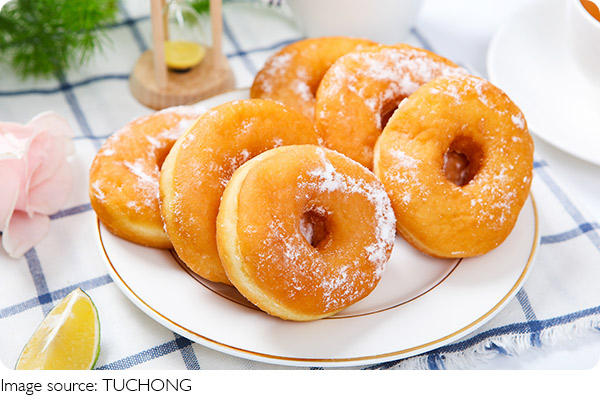
So the next time that golden, crunchy craving hits you, know that there is a whole world of science, memory, and emotion behind it. Fried food is not just food, it is an experience that touches your senses, your brain, and your heart all at once. Enjoy it mindfully, share it with people you love, and remember that understanding your cravings is the first step to having a beautifully balanced relationship with all the foods that bring you joy. You deserve that.