Is Green Architecture Real?

James Carter
| 29-06-2026
 · Travel team
Hi, Lykkers!
You've probably heard the term "green architecture" thrown around at dinner parties, on social media, maybe even in a heated debate about climate action.
But is it just another trendy phrase that sounds good on paper, or does it actually mean something? The truth is, green architecture isn't a gimmick. It's a necessary response to a massive problem. And the numbers tell a story that's hard to ignore.
The Problem We're Facing
The building and construction sector accounts for over 35% of global energy use and nearly 40% of energy-related CO2 emissions. That's a huge slice of the environmental pie. It consumes vast resources, including 16% of the world's freshwater and 50% of all raw materials.
So when someone asks if green architecture is just hype, the answer is pretty straightforward: we don't have the luxury of treating this as optional anymore. The built environment is one of the biggest contributors to climate change. If we're serious about reducing emissions, buildings need to be part of the solution.
What Makes a Building Green?
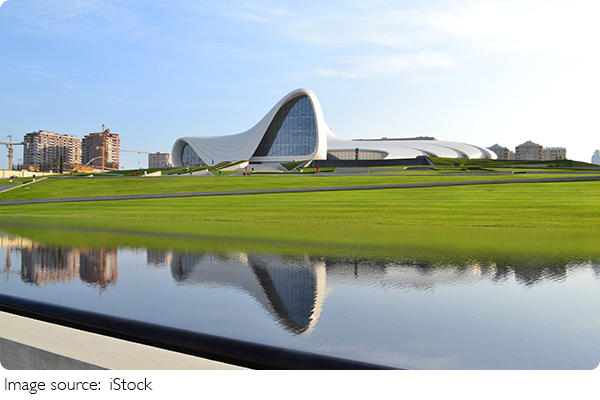
Sustainable and green architecture is a design philosophy that seeks to minimize the environmental footprint of buildings while maximizing the health and comfort of those inside, working with the natural landscape, climate, and resources.
This approach is defined by key principles like energy efficiency (using 30-50% less energy), water conservation, the use of sustainable materials, high indoor environmental quality, and seamless integration with the local site and climate.
Think passive design strategies like smart window placement to capture winter sunlight, natural ventilation that cuts down on air conditioning, and materials that don't poison the air inside your home. It's not rocket science. It's just thoughtful design.
The Financial Reality
Let's talk money, because that's usually where skepticism kicks in. Green buildings cost more upfront, right? Sometimes. But here's what happens after construction.
LEED-certified buildings generate 50% less greenhouse gas emissions than conventional buildings, can reduce maintenance costs by 20%, and command a 16% higher resale value.
Homeowners with solar panels can save up to $2,500 yearly on utility bills. That's real money back in your pocket, year after year. And when you factor in lower operating costs, better indoor air quality, and longer building lifespan, the investment starts looking pretty smart.
Beyond the Building Itself
Smart design strategies like rainwater harvesting and greywater recycling can dramatically reduce a building's consumption of fresh water and protect local ecosystems. This isn't just about one structure performing better. It's about reducing strain on shared resources, supporting biodiversity, and creating healthier neighborhoods.
Green design emerges as a beacon of hope and practical action, representing a significant shift in how we conceive, construct, and inhabit our built environment.
So, Hype or Hope?
Green architecture is not perfect. It's not a magic solution that will reverse decades of environmental damage overnight. But it's also not hype. It's a proven approach that cuts emissions, saves money, improves health, and makes cities more livable.
The question isn't whether green architecture works. The data already answers that. The real question is whether we'll choose to build this way, at scale, before it's too late. And that part is up to us.