10 Kitchen Must-Haves

Ethan Sullivan
| 29-06-2026
 · Cate team
There's a version of the pantry problem most people know well.
You just got home, it's getting late, and you stare into the kitchen trying to figure out what to cook. If your shelves are stocked with the right things, the answer is almost always something decent. If they're not, you're ordering delivery again.
The goal isn't an Instagram pantry with 40 labeled glass jars. It's a working pantry — a small collection of versatile, long-lasting ingredients that make it possible to throw a real meal together without a grocery run every time.
The Foundation: Grains and Pasta
Rice is the most essential of all. It works under almost anything — curries, stir-fries, grain bowls, eggs, beans — and a 5-pound bag lasts months in a sealed container. Dried pasta is its close second, equally forgiving and equally fast. Keep at least two shapes: something long like spaghetti or linguine, and something short and ridged like penne or rigatoni, since different sauces call for different shapes. Quinoa earns a third slot here because it cooks in 15 minutes, contains complete protein, and holds up well for meal prep.
Legumes: Canned and Dried
Canned chickpeas, black beans, and lentils are among the best value-per-dollar items in any grocery store. They provide protein and fiber, take no cooking time, and turn soups, salads, tacos, and grain bowls into complete meals. Dried lentils are worth keeping separately since they cook in 20 minutes without soaking — faster and cheaper than any other dried legume.
Canned Tomatoes
A can of whole or crushed tomatoes is the backbone of probably a third of all home cooking — pasta sauces, soups, shakshuka, curries, stews. Fire-roasted versions add more depth without any extra work. This is one area where the quality of the brand genuinely matters; a good can of San Marzano tomatoes makes a noticeably better sauce.
High-Quality Olive Oil and a Neutral Oil
Keep both. High-quality olive oil for dressings, finishing dishes, and lower-heat cooking where flavor matters. A neutral oil like avocado or grapeseed for high-heat cooking — searing, stir-frying, roasting — where olive oil would either burn or overwhelm the dish.
Garlic and Onions
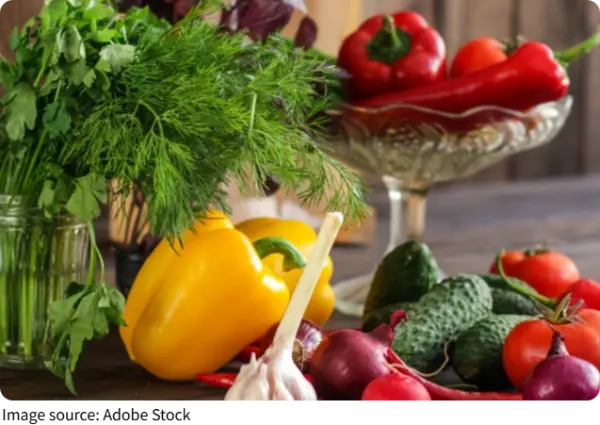
These belong on the counter, not in the fridge, in a cool dry spot away from sunlight. Together they form the aromatic base of more cuisines than any other ingredient combination on the planet. Fresh garlic kept at room temperature lasts 3–4 weeks. Onions last considerably longer.
Eggs
The most versatile protein in the kitchen. Scrambled, fried, poached, hard-boiled, baked into frittatas, turned into fried rice — eggs solve the "what do we eat" problem faster than anything else. One egg has 6–8 grams of protein and costs less than almost any other protein source available.
Vinegar and Soy Sauce
Both are flavor multipliers. A splash of red grape-based acidic liquid or apple cider vinegar lifts soups and salads. Soy sauce adds umami depth to anything savory — stir-fries, marinades, dressings, dipping sauces. Unopened soy sauce keeps in the pantry for up to two years.
Good Stock or Broth
Vegetable or chicken broth transforms rice, soups, risotto, and braised dishes from flat to flavorful. Low-sodium versions give more control over seasoning. Boxes keep well unopened; once open, use within 5 days or freeze in portions.
Spices Worth Investing In
A core set covers an enormous range of cooking: cumin, smoked paprika, dried oregano, chili flakes, cinnamon, and always salt and black pepper. Buy smaller quantities more often — spices lose potency quickly once opened, and a 2-year-old jar of cumin adds almost nothing to a dish.
Nuts, Nut Butter, and Honey
Almonds, walnuts, and peanut butter deliver healthy fats and protein in snack form without any prep. Honey works as a natural sweetener in dressings, marinades, and yogurt. Store nuts in the freezer if you don't go through them quickly — the high oil content means they go stale and rancid faster than most people expect.