Blueberry Basics

Chris Isidore
| 30-06-2026
 · Cate team
Hi, Readers! Blueberries may look tiny and quiet in a bowl, but they carry a surprisingly rich story.
These small blue fruits come from several closely related shrubs in the heath family, and they are especially loved for their sweet flavor, soft texture, and easy use in daily meals. People enjoy them fresh, baked into treats, or turned into preserves, and their place in home kitchens feels both simple and special.
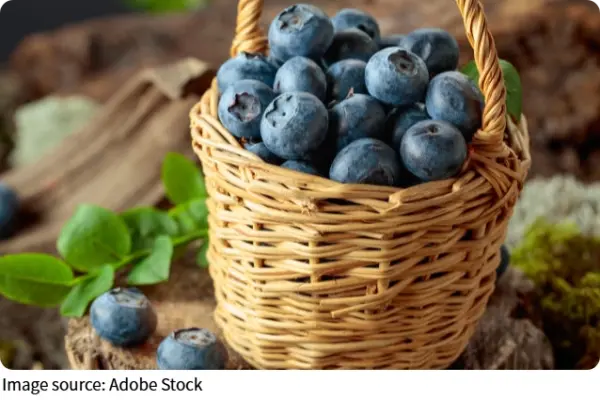
Blueberries grow on shrubs belonging mainly to the genus Vaccinium. The fruits are berries, and they are known for their deep blue color with a light dusty coating on the surface. That soft coating gives them a gentle, almost frosted look. The plants are linked with cool and temperate regions, and many kinds are found in North America, though related species grow in other parts of the world too. In common use, the name blueberry usually refers to the edible blue fruits of these shrubs.

Plant family and types
Blueberries belong to the heath family, Ericaceae. Within their group, there are different kinds that people commonly talk about, including highbush blueberries, lowbush blueberries, rabbiteye blueberries, and evergreen blueberries. Highbush types are among the most widely grown for commercial production. Lowbush plants are often smaller and can spread across the ground in a more natural way. These distinctions matter because plant size, growing habit, and fruiting patterns can vary from one type to another.
How the fruit looks and grows
The blueberry fruit is a true berry and usually contains many small seeds. It develops from the flower of the shrub and ripens into a blue to blue-black shade. The surface bloom, that pale powdery layer, is one of its most recognizable features. Blueberry plants often prefer acidic soil, and that growing condition is important for healthy development. Depending on the type, the shrubs may range from compact plants close to the ground to much taller bush forms grown in fields and gardens.
Uses in the kitchen
Blueberries are widely eaten fresh, and that is part of their everyday charm. They also work beautifully in pies, muffins, pancakes, jams, and jellies. Some are canned or frozen, which helps make them available beyond the harvest period. Their flavor can be sweet with a light tart note, so they fit both simple snacks and home baking. Because they are easy to rinse and eat, they often become one of those fruits people reach for without much planning.
Where they are most important
Blueberries are especially significant in North America, where both wild and cultivated kinds have long been valued. Commercial growing became important with the development of cultivated highbush varieties. Lowbush blueberries also hold value, particularly where wild stands are managed and harvested. The fruit has become a familiar part of markets and grocery shelves, yet it still keeps a close connection to natural landscapes and seasonal picking.
Why people enjoy them
Part of the appeal of blueberries is how approachable they are. They can be eaten by the handful, folded into batter, spooned over breakfast, or cooked into spreads. Their color is attractive, their flavor is gentle, and their size makes them easy to serve. Blueberry shrubs also have a certain garden appeal, with blossoms, fruit, and seasonal leaf color adding interest through the year.
Blueberries are a lovely reminder that some of the most familiar fruits have a deeper background than we notice at first. From wild groundcover plants to cultivated bushes in large plantings, they bring together botany, growing tradition, and everyday comfort. If you come across a handful of blueberries soon, maybe take a moment to enjoy not just the taste, but the whole quiet story they carry.