Local Street Food

Priya
| 07-07-2026
 · Cate team
Hi, Friends! There is something so special about taking a bite of a local snack in a place you have never been before.
It tastes like the land, the people, and the memories baked right in. But have you ever stopped to wonder, how did these beloved local specialties actually come to be?
The story behind every local bite is richer and more beautiful than you might think.
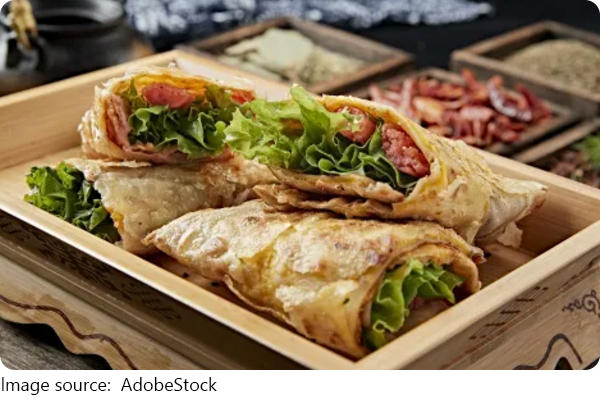
It All Started With Practicality
Street food began as a practical solution for feeding workers, but over time, local specialties became deeply tied to community identity. Think about it: people needed quick, filling, and affordable food to get through their busy days. In cities like Osaka, Mexico City, and Naples, vendors crafted dishes using local ingredients and flavors, creating meals that were affordable, satisfying, and central to daily life. What started as simple necessity slowly became something much more meaningful, a shared experience that brought neighborhoods together.
The Land Shapes the Flavor
One of the most fascinating things about local food is how deeply it is connected to where it comes from. Street food is often made with ingredients that are readily available in the region, giving it unique flavors and reflecting local culinary traditions. This connection between food and the environment makes every dish special. When you eat something truly local, you are experiencing the taste, culture, and traditions of that place.

Trade and Migration Brought New Flavors
Local food did not develop in isolation. Street food has been shaped by trade, migration, and colonialism. As people moved to new places, they brought their recipes and traditions with them, often starting food stalls to earn a living and preserve their culture. Over time, these dishes became part of their new communities, creating many of the unique and diverse street foods we enjoy today.
Through historical trade and global exchange, ingredients like chili peppers were introduced to Asia and potatoes to Europe. These ingredients were then embraced and transformed into entirely new dishes that became staples of those regions. Consider the incredible fusion dishes found in many modern cities, one example are the Korean-Mexican tacos popularized by food trucks, which beautifully symbolize this blending of cultures.
Food as a Living Story of a Community
Beyond the flavors and the history, local specialties carry something even deeper. Street food is a powerful reflection of cultural identity, with each dish telling a unique story about the people who create and consume it. The ingredients, flavors, and preparation methods used in street food are often deeply rooted in local traditions and customs. Through street food, we can gain a deeper understanding of a region's history, values, and way of life.
These lively spaces served as informal community hubs, carrying stories, recipes, and rituals across generations. In many neighborhoods, every snack embodied not just flavor but also history, identity, and a sense of belonging. Grandmothers passed their secret recipes to daughters, vendors perfected their craft over decades, and entire communities gathered around a single beloved stall. That continuity is what makes local food feel so irreplaceable.
Street Food Connects Us All
Street food is deeply democratic. In today's busy lifestyle, it is the favorite grab-and-go eats. It crosses social and economic boundaries, bringing people together regardless of background. Office workers, students, tourists, and locals all stand side by side, enticed by the aromas, united in hunger and culinary curiosity.
Street food thrives on relationships. Regular customers are remembered, conversations flow easily, and vendors become local characters.
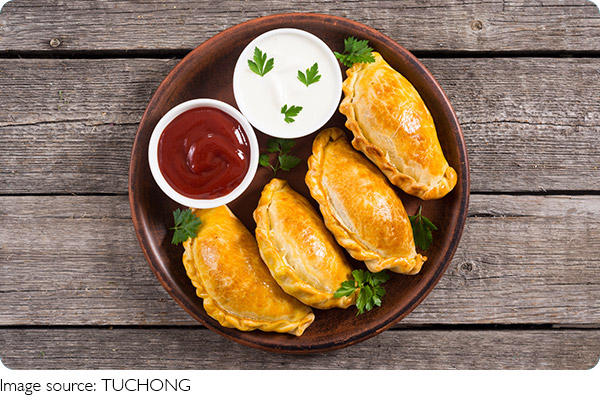
As the world continues to change, the global fascination with street food grew as travelers sought authentic experiences and shared them via social media and travel content. A humble snack from a roadside stall can now inspire curiosity and appreciation across the entire world.
Every local specialty you taste is a little piece of living history, shaped by geography, shaped by people, and shaped by love. Next time you try a regional snack somewhere new, take a moment to appreciate the layers of story behind every single bite. And if this sparks your curiosity to explore more local flavors around the world, it is definitely a journey worth taking!