Food Storage Secrets

Amina Hassan
| 30-06-2026
 · Cate team
Americans throw away roughly a quarter of the food they buy.
For a household of four, that can add up to over a thousand dollars a year in wasted groceries. Most of it isn't because the food was bad when it came home — it's because it wasn't stored the right way once it got there.
The science behind food spoilage is actually pretty simple: bacteria double their growth rate for every 10°F above 40°F. Temperature, moisture, light, and air are the four forces that break food down. Control those, and most things last significantly longer than people assume.
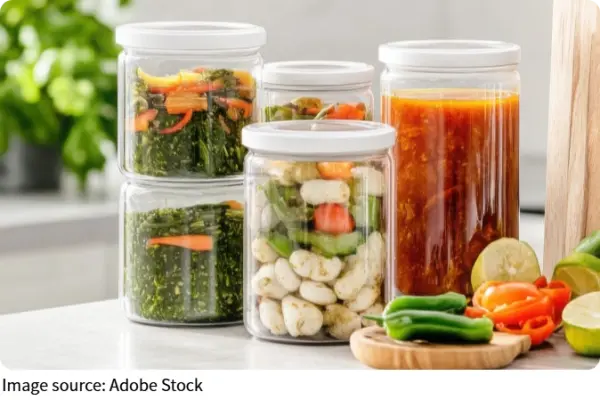
The Fridge Has Zones — Use Them
The door is the warmest part of any refrigerator, because it opens and closes constantly. That's where temperature fluctuates the most — which means it's the worst place to store anything perishable. Move eggs, dairy, and opened condiments toward the back of the main shelves where the temperature stays consistently cold. Meat and fish belong on the lowest shelf to prevent drips from contaminating other foods.
The crisper drawers are worth understanding too. Most have humidity controls: high humidity for leafy greens and herbs, low humidity for fruits that produce ethylene gas (apples, pears, avocados once ripe). Ethylene accelerates the ripening of everything around it — keep fruit and vegetables separated if possible.
What Lives on the Counter vs. the Fridge
Tomatoes lose flavor and texture in the fridge. Store them at room temperature and move them in only after they're very ripe. Onions, garlic, and potatoes need cool, dry, dark conditions — not the fridge, which introduces too much moisture. A mesh bag or open basket somewhere away from direct light works best.
Bananas, avocados, and mangoes ripen better at room temperature. Once they reach the desired softness, they can go into the fridge for a few extra days. Berries and leafy greens, on the other hand, should go straight into the fridge the moment you get home.
Herbs: The Bouquet Trick
Fresh herbs like parsley and cilantro last dramatically longer stored like flowers — stems trimmed and placed in a jar with an inch of water, then loosely covered with a plastic bag in the fridge. This method can extend freshness from a few days to nearly two weeks. Heartier herbs like rosemary, thyme, and oregano do better wrapped loosely in a slightly damp paper towel and stored in an airtight bag.
The Freezer Is Underused
Most people use the freezer for leftovers and ice cream and not much else. But bread, already-grated cheese, nuts, cooked grains, blanched vegetables, and portioned meat all freeze well. For vegetables, blanching (2–3 minutes in boiling water, then immediately into ice water) before freezing preserves both color and nutrients by stopping the enzymes that cause deterioration. Label everything with the date — food stored at a constant 0°F is technically safe indefinitely, but quality drops after a few months.
Squeeze as much air as possible out of freezer bags before sealing. Air contact leads to freezer burn, which dries out food and affects texture, even though it doesn't make it unsafe.
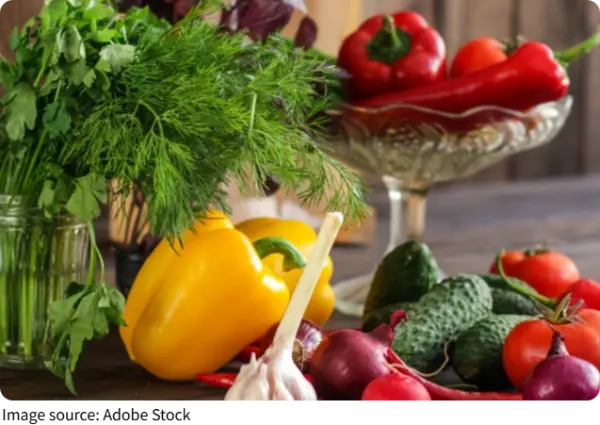
Dry Goods: Airtight Is Non-Negotiable
Once a bag of rice, flour, oats, or dried beans is opened, transfer it into an airtight glass or plastic container. The original packaging isn't designed for long-term storage — it allows moisture and air in, which leads to staleness and pest problems. Stored correctly, dried beans and lentils last indefinitely, though flavor is best within a year or two. Nuts and seeds should go in the freezer if you won't finish them within a month, since the oils in them turn rancid at room temperature.
Store spices in sealed containers away from heat sources — the cabinet above or next to the stove is actually one of the worst spots for them. Heat and steam degrade potency quickly.