Wash Fruit Safely

Amit Sharma
| 02-07-2026
 · Cate team
Hi, Readers! Fresh fruit brings so much color and comfort to everyday life, but washing it the right way really does matter.
A quick rinse is not always enough if dirt, tiny bits from handling, or germs are still sitting on the surface. The good news is that safe fruit cleaning is simple, and once you know the steps, it becomes an easy part of your routine.
Whether you are rinsing apples for a snack, berries for breakfast, or grapes to share, a few careful habits can help you feel more confident every time you reach for fresh produce.

Start with clean hands
Before touching any fruit, wash your hands with soap and running water for at least 20 seconds. This step is easy to overlook, but it helps stop germs from moving from your hands onto the produce. It also helps to make sure your sink, counter, cutting board, and any tools like a produce brush are clean before you begin. If a fruit has any bruised or damaged spots, cut those areas away before preparing or eating it.
Rinse under running water
Fresh fruit should be washed under running water before eating, cutting, or cooking. This is true even if you plan to peel it, because anything on the outside can move to the inside when you slice through the skin. Gently rub the surface with your hands while rinsing. For firmer fruits like apples, melons, and pears, use a clean produce brush to scrub the outside. There is no need to use soap, detergent, or special produce washes. Plain running water is the recommended way to clean fruit safely.
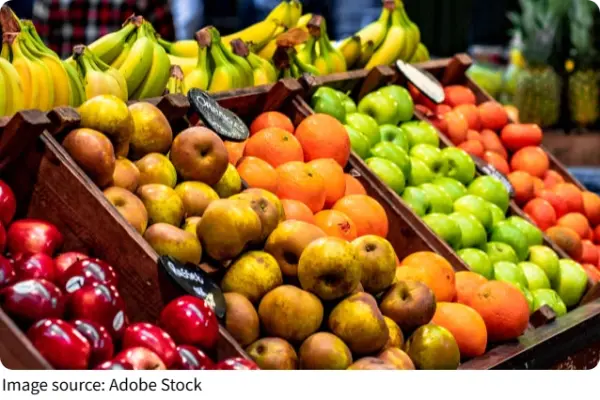
Know which fruits need extra care
Some fruits need a little more attention because of their shape or surface. Melons should be scrubbed with a clean brush under running water before cutting, since the outside can carry dirt that may spread with the blade. Small fruits such as berries should still be rinsed gently, but they can be delicate, so wash them carefully to avoid damage. Grapes can be rinsed while still attached to the stem, then drained well. If you buy packaged fruit labeled "ready-to-eat," "washed," or "triple washed," it can be eaten without washing again unless the label says otherwise.
Dry and store the right way
After washing fruit, dry it with a clean cloth towel or paper towel when practical. Drying can help remove more material from the surface. Once fruit is prepared, store it properly to help keep it fresh. Perishable fresh fruit that has been cut or peeled should be refrigerated within 2 hours. If the temperature is above 90°F, refrigerate it within 1 hour. Keeping cut fruit chilled helps lower the chance of harmful germs growing.
What not to do
One of the most important things to remember is not to wash fruit with soap, bleach, detergent, or commercial cleaners not meant for food. Fruit is porous in different ways, and these products can leave residues that are not safe to eat. It is also best not to rinse fruit in a sink that has not been cleaned first. If fruit will not be eaten right away, some people prefer to wait and wash it just before use, especially for fragile fruits, since moisture can speed up spoilage.
Fresh fruit should feel joyful, not stressful. A clean sink, washed hands, running water, and a gentle touch are really the heart of safe fruit washing. If you keep these steps in mind, your daily routine can stay simple while helping protect the people you care about.