Store Fruit Right

Antonio
| 07-07-2026
 · Cate team
Hi, Readers! A bowl of fresh fruit can make any kitchen feel bright and welcoming, but it can also turn soft and spoiled faster than we expect.
The good news is that storing fruit properly is not complicated once you know a few simple rules. Some fruits do best on the counter, some last longer in the fridge, and a few need a little space from each other.
Getting this right helps preserve flavor, texture, and freshness, while also cutting down on waste and saving money.
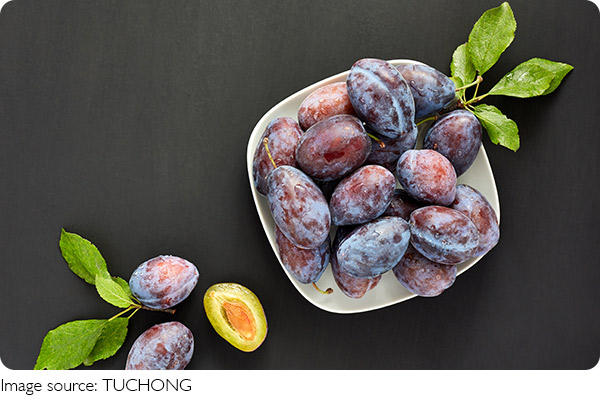
One of the biggest things to understand is that not all fruit should be treated the same way. Certain fruits continue to ripen after they are picked. These are often best left at room temperature until they reach the texture and sweetness you like. Bananas, avocados, peaches, nectarines, pears, plums, kiwis, and mangoes usually fall into this group. Keeping them on the counter helps them ripen naturally. Once they are ripe, many of them can be moved to the fridge to slow things down and give you a little more time to enjoy them.
Keep Some Fruits Apart
Many fruits release a natural substance called ethylene as they ripen. Apples, bananas, peaches, pears, avocados, and melons are common examples. Ethylene can speed up ripening in nearby produce, which sounds helpful until everything becomes overripe at once. If you want fruit to last longer, it helps to store high-ethylene fruits away from more sensitive ones. Berries, grapes, and citrus fruits usually benefit from being kept separate from those fast-ripening neighbors.
What Belongs in the Fridge
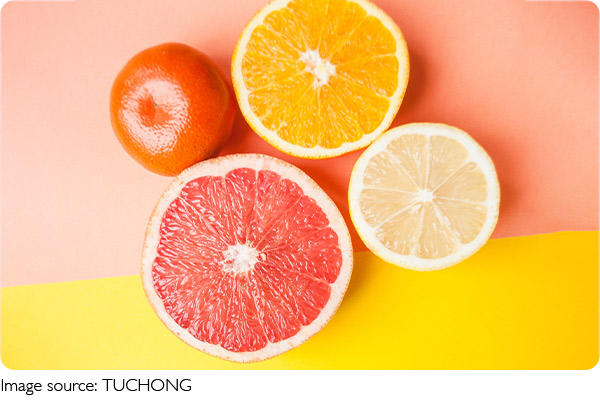
Some fruits hold up best in the refrigerator from the start. Berries, cherries, grapes, and cut fruit should generally be refrigerated. Citrus fruits can stay on the counter for a short time, but they last longer in the fridge. Apples also keep much longer when chilled, often far better than on the counter. The refrigerator slows ripening and helps preserve freshness, especially if you know you will not eat the fruit right away. Still, it is smart to avoid washing fruit before storing it, because extra moisture can lead to faster spoilage. Wash it just before eating instead.
Countertop Favorites
A few fruits are happiest outside the fridge, at least at first. Bananas are a classic example, since cold temperatures can affect their texture and darken the skin. Whole melons can also stay at room temperature until cut. Stone fruits like peaches, nectarines, and plums usually develop better texture and flavor on the counter while they ripen. Pears and avocados also do well there until they soften. If your kitchen is very warm, though, keep a close eye on them, because ripening can move quickly.
How to Handle Berries and Grapes
Berries are delicate and tend to spoil quickly, so they need a little extra care. Store them in the fridge, ideally in their original container or another container that allows some airflow. Keep them dry, and do not rinse them until you are ready to eat them. The same goes for grapes. Moisture trapped in the container can shorten their life, so dry storage makes a real difference. If you notice any damaged berries, remove them early so they do not affect the rest.
Cut Fruit Needs Extra Care
Once fruit is sliced, its storage needs change right away. Cut melon, pineapple, and other prepared fruit should be placed in the refrigerator in an airtight container. This helps protect flavor and texture while limiting exposure to air. If fruit has been sitting out after slicing, it is best not to leave it there too long before chilling it. Prepared fruit is convenient, but it is also more delicate than whole fruit and should be eaten sooner.
A Simple Routine That Works
The easiest way to store fruit well is to think in three groups: fruits that ripen on the counter, fruits that belong in the fridge, and fruits that should be kept away from strong ethylene producers. Check your fruit daily, especially softer varieties, and move ripe pieces to the fridge when needed. Use breathable containers when possible, avoid excess moisture, and only wash right before eating. These small habits make a surprising difference.
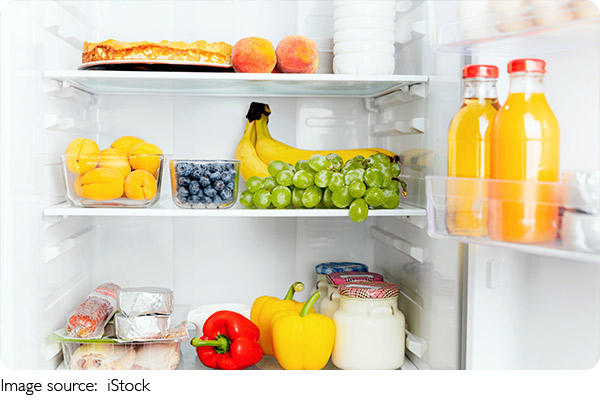
Fresh fruit is one of those little joys that can brighten a day, and storing it the right way helps you enjoy every last piece at its best. Take a quick look at what is in your kitchen, separate what needs space, chill what needs cooling, and let the rest ripen naturally. A few thoughtful steps can help your fruit stay delicious longer, and that makes healthy eating feel a little easier and a lot more satisfying.