Heat's Magic on Flavor

Finnegan Flynn
| 01-07-2026
 · Cate team
Hello, Lykkers! Ever wonder why a raw tomato is just a sad, watery ball while a roasted one tastes like a tiny sun of sweetness?
Or why a slice of bread turns into a crispy, golden miracle in a toaster? The answer is chemistry, and it's way more entertaining than your high school lab class.
Heat is basically a tiny chef with a blowtorch (a safe one, obviously) that rearranges molecules to unlock flavors you never knew existed. Let's peek into the kitchen lab.
The Maillard Makeover
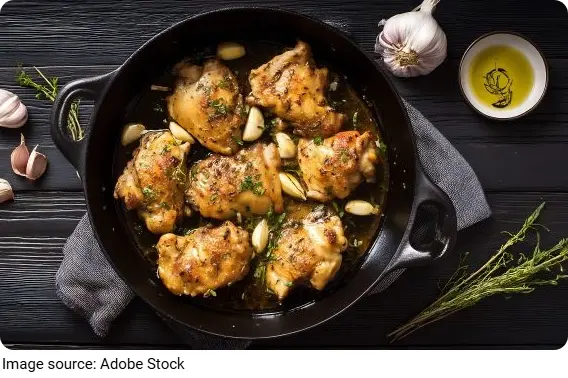
That brown crust on a seared chicken thigh? That's the Maillard reaction, and it's the star of savory cooking. When heat hits around 285°F (140°C), amino acids from proteins and sugars start a chaotic dance. They form hundreds of new compounds that smell like toast, nuts, and roasted goodness. Think of it as your food putting on a little tuxedo for a fancy dinner. Without it, grilled veggies taste like steamed socks. Maillard is what separates a bland boiled egg from a crispy fried one. It's also why your morning coffee has that rich aroma those beans got roasted and Maillardized.
Sugar's Sweet Breakdown
Caramelization is the sweet side of heat. When sugar molecules get hot enough (around 320°F or 160°C), they fall apart and recombine into dark, sticky, butterscotch-like compounds. This is why caramelized onions take forever but taste like candy tears. The longer you heat, the more complex the flavor. You can go from a light golden syrup to a deep amber that's almost bitter but in a good mature way. Pro tip: don't walk away from your pan. Burnt caramel tastes like regret.
Proteins Get Nervous
Raw egg white is clear and runny because proteins are coiled up in tight balls. Heat makes them unfold and bond together into a solid network. That's called denaturation. It's the same reason a raw fish turns opaque and flaky when cooked. Think of proteins as shy introverts at a party. Heat breaks the ice, makes them mingle, and suddenly they form a new structure that traps water and oil, making your food tender and juicy. Too much heat, though, and they get clingy and dry out. That's how you get rubbery chicken. Nobody wants that.
Oils Join the Party
Oils aren't just for greasy fingers. When heated, they melt and start carrying flavor molecules around your mouth like little flavor taxis. They also help transfer heat evenly, so your veggies cook without burning. And when oils get hot enough, they start to brown and release nutty, toasty aromas. That's why a drizzle of sesame oil in a hot pan smells like heaven. Oils are the unsung heroes. They make sure every bite is luxurious, not sad.
Water Works
Water is a party pooper when it comes to browning. As long as food is moist, the temperature stays at 212°F (100°C) because water boils. That means no Maillard, no caramelization. That's why steaming veggies keeps them colorful but bland. You need to kick water out to get that golden crust. Pat your chicken dry before searing. Let your onions sweat off their liquid. Once the water is gone, the real flavor show begins. Heat is basically the bouncer that kicks water out so the flavor can come in.
Acids and Heat
Acids like lemon juice or vinegar can change how heat affects food. They can speed up or slow down chemical reactions. For example, a splash of lemon in a pan of mushrooms can keep them from browning too fast. Acids also break down proteins differently, making meat more tender if you marinate it before cooking. So don't think of acid as just a sour punch. It's a heat assistant that tweaks the chemistry behind the scenes.
So next time you cook, think about the microscopic chaos happening in your pan. Every sizzle, every golden spot, every puff of steam is chemistry performing a miraculous transformation. You can't see the molecules, but you can taste the result. Try this: roast a batch of carrots at 400°F (200°C) with a little oil and salt. Then taste a raw one. The difference is like night and day. That's the power of heat. Now go be a mad scientist in your kitchen. Your tastebuds will thank you.