Cinematic Motorcycle Dreams

Sofia Alvarez
| 08-07-2026
 · Automobile team
Motorcycles have long been symbols of freedom, power, and adventure in cinema.
Whether you're a casual viewer or a die-hard motorcycle enthusiast, there's something about a well-crafted motorcycle scene that speaks to the spirit of rebellion and thrill.
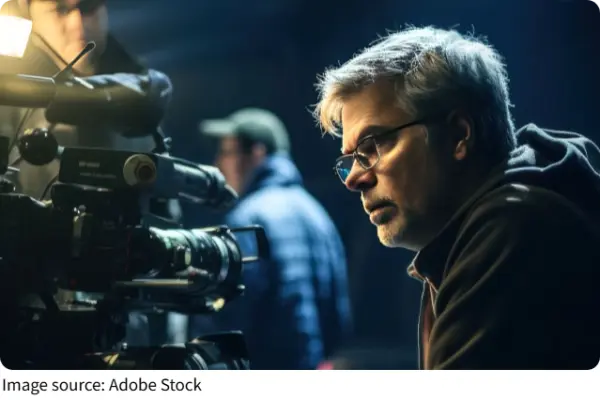
Filmmakers understand this connection and use motorcycles to capture the essence of a character's journey. In this article, we'll explore how films use motorcycles to shape the audience's dream of riding, using storytelling, visuals, and sound to create an unforgettable experience.
The Allure of the Open Road: Why Motorcycles Captivate
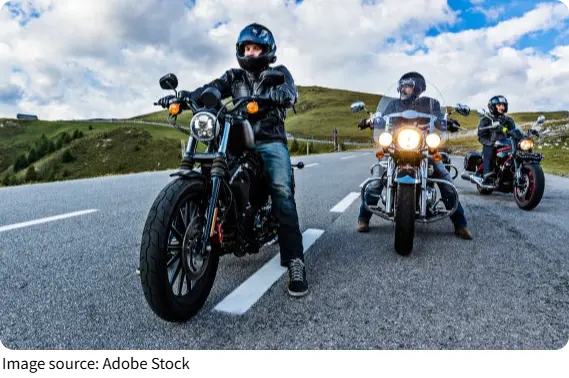
The moment a motorcycle roars to life in a movie, it instantly promises something exciting: escape, adventure, and a break from the ordinary. Unlike cars, which can often feel confined or practical, motorcycles offer a direct connection to the road. They represent a feeling of freedom that resonates with many viewers.
For example, in films like Easy Rider (1969), the open road isn't just a backdrop; it's a character in itself. The motorcycle is a tool for self-discovery, an emblem of freedom. Viewers are invited into the narrative, experiencing the journey firsthand, as if they too are riding along. This is one of the reasons motorcycles are such powerful symbols in film: they allow the audience to vicariously live out the thrill of adventure.
Visual Impact: Motorcycles as Cinematic Tools
Motorcycles do more than just move characters from point A to point B. They are visual powerhouses that, when used effectively, can convey an immense amount of emotion, atmosphere, and tension. The design of the motorcycle itself is often a reflection of the character riding it.
Take Mad Max: Fury Road (2015), where the motorcycles used by the characters are not just transportation but essential to the high-octane action. The battered, customized bikes reflect the harsh environment and the gritty personas of their riders. In this way, filmmakers use motorcycles to enhance the visual storytelling, connecting the vehicle to the character's personality and the world they inhabit.
Soundtrack of the Ride: The Role of Engine Roars and Music
The sound of a motorcycle engine is unmistakable—deep, rumbling, and powerful. When paired with the right soundtrack, it creates an almost visceral experience for the audience. Think of the iconic engine roar in The Dark Knight (2008) when the actor portraying Batman speeds through Gotham on his Batpod. The sound is not just background noise; it's a heartbeat of the scene, intensifying the action and making the viewer feel the adrenaline.
Sound also plays a role in creating that sense of freedom. The low hum of a motorcycle, the wind rushing by, and the engine revving create an immersive sensory experience. In films like The Motorcycle Diaries (2004), where the motorcycle journey is tied to a coming-of-age story, the subtle sounds of the road add emotional depth, making the viewer feel as though they are on the journey themselves.
The Iconic Motorcycle Scenes That Stuck with Us
Some motorcycle scenes have become so iconic that they transcend the films they're in, embedding themselves in popular culture. Who can forget the famous scene in The Wild One (1953), where Marlon Brando, as Johnny Strabler, leans back on his bike, exuding rebellion and coolness? This moment solidified the motorcycle as the ultimate symbol of youthful defiance and freedom.
Similarly, in the iconic 1986 action film, Tom Cruise's Maverick doesn't just fly jets—he rides his motorcycle with the same intensity and confidence. The bike scene in the iconic 1986 action film underscores the idea that the motorcycle is an extension of Maverick's personality: bold, daring, and in control. This blend of speed, danger, and charisma is a signature element that has made the motorcycle dream a part of our cultural lexicon.
Creating the Motorcycle Dream: Why It Matters
So, why do these cinematic portrayals matter? They help shape an audience's perception of motorcycles and their riders. By associating motorcycles with themes like freedom, rebellion, and adventure, filmmakers encourage viewers to imagine what it would be like to ride a bike themselves. The dream of motorcycle riding is not just about the bike; it's about the life and identity it represents.
For example, in The Fast and the Furious series, motorcycles often appear alongside cars, but the feeling they convey is entirely different. While cars may symbolize speed and precision, motorcycles represent raw power and freedom. This dynamic is further illustrated in films like The Matrix Reloaded (2003), where Keanu Reeves' Neo speeds through the streets on a sleek motorcycle, blending action with the fantasy of ultimate freedom.
The Power of the Motorcycle in Film
From the open road to iconic soundtracks, motorcycles in film have become symbols of much more than just transportation. They are vessels for adventure, expressions of character, and embodiments of a dream. By capturing the essence of what it means to be a rider, filmmakers invite viewers to step into a world of freedom, rebellion, and endless possibility.