Red vs Green Apples

Daniel
| 31-08-2026
 · Cate team
Hi, let's get started. You grab an apple from the bowl without thinking twice.
Red or green, it's all just an apple, right? Not quite. The two look alike, but they behave differently in your body, in your recipes, and even in your shopping cart. Once you know the real differences, you'll stop picking blindly.
According to the USDA, both red and green apples are excellent sources of dietary fiber and vitamin C, though their sugar and antioxidant profiles differ slightly.
Why the color actually matters
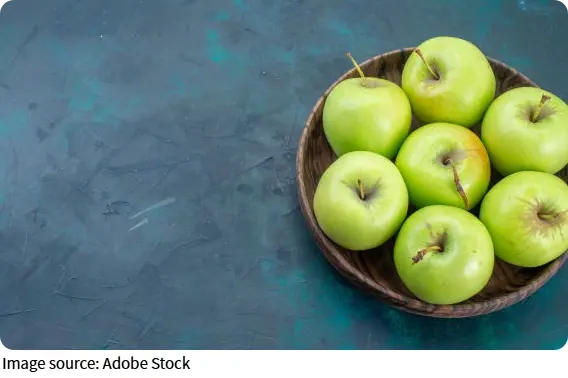
The color difference comes down to pigments, but it signals more than looks. Red apples like Fuji or Gala carry anthocyanins, the same compounds that make blueberries blue. Green apples, think Granny Smith, skip most of that pigment and stay high in chlorophyll. That matters because anthocyanins act as antioxidants, so red varieties give you a slightly different nutrient profile than green ones. Not a huge gap, but if you're counting every bit of plant compound, the reds edge ahead. Green apples make up for it with a sharper, more acidic bite that holds up better in cooking.
Sweetness and the sugar curve
You've noticed it before: bite into a Red Delicious and it's like candy. A Granny Smith makes your cheeks tighten. That's not imagination. Red apples average around 11 to 15 grams of sugar per 100 grams, while green ones sit closer to 9 to 10 grams. For someone watching sugar intake, that difference adds up fast. But here's the flip side: the tartness in green apples comes from malic acid, which actually stimulates saliva and can make you feel more refreshed after eating. So if you want a snack that wakes you up rather than puts you in a sugar haze, green is the pick.
Which one holds up in the kitchen
Bake a red apple and you often get mush. The flesh breaks down quickly, releasing juice and turning soft. Green apples, especially Granny Smith, keep their structure because they're firmer and denser. That's why pie recipes almost always call for green. If you're making a crisp or a tart, use green and you'll get distinct chunks instead of applesauce. For snacking raw, red wins on texture alone, it's juicier and less likely to leave you reaching for water. One specific swap: next time you make oatmeal, dice a green apple in at the start. It holds its shape while the oats cook, giving you a chewy bite instead of a mushy mess.
The fiber and fullness factor
Both types give you about 4 grams of fiber per medium apple, mostly pectin, which feeds your gut bacteria. But green apples have a slight edge in soluble fiber per calorie because they're less dense in sugar. That means you can eat the same volume for fewer calories and still get the fullness effect. In practice, that makes green apples the better choice if you're trying to manage portions. A medium Granny Smith runs about 80 calories, while a Fuji can push 100. Not dramatic, but over a month of daily snacks, that's a real difference.
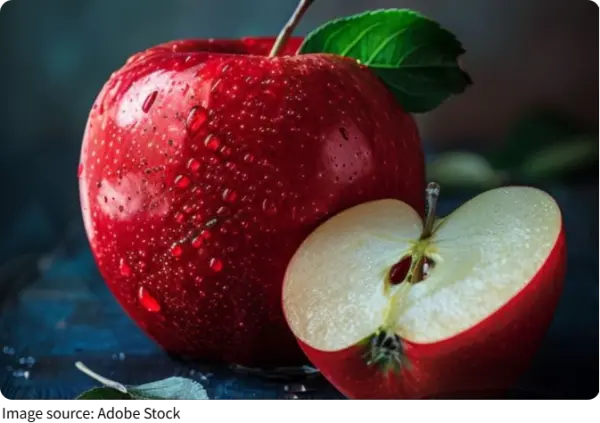
So here's the takeaway: red for sweetness and antioxidants, green for tartness, stability in cooking, and a marginally lighter calorie load. Neither is bad, they're just tools for different jobs. Next time you're at the store, don't just grab the first shiny one. Think about what you're actually going to do with it. Bite into it raw or slice it into a pie? That decision makes the choice easy. And if you're still unsure, buy one of each and do a side-by-side taste test. Your kitchen is the best lab for this one.