Tiger Cub Choices

Julian
| 09-09-2026
 · Animal team
Hello, Lykkers! Tiger cubs are among the most adorable and fascinating creatures on Earth. With their soft stripes and playful paws, they capture our hearts instantly. But where they grow up makes a huge difference in their lives. Some tiger cubs are born in the wild, roaming vast forests.
Others are born in zoos or sanctuaries, cared for by humans. Each environment offers its own challenges and advantages. Let us explore what life looks like for tiger cubs in the wild and in captivity.
Life in the Wild
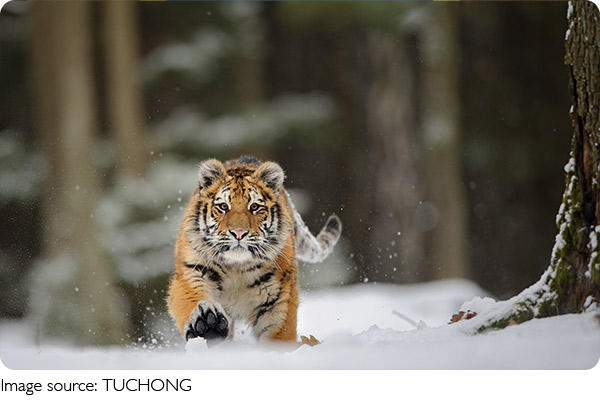
In the wild, tiger cubs are born into a world of adventure and danger. Their mothers choose hidden dens, often in tall grass or caves, to keep them safe.
For the first few weeks, cubs are blind and completely dependent on their mother. She stays close, nursing them and protecting them from predators. As they grow, the cubs begin to explore their surroundings under her watchful eye. They learn to stalk, pounce, and play — skills that will later help them survive on their own.
The wild offers freedom, space, and natural challenges. Cubs learn to hunt by observing their mother and practicing with their siblings. They experience the changing seasons, different terrains, and the thrill of the hunt. However, life in the wild is not easy. Food can be scarce, and threats from other animals or humans are real. Many cubs do not survive their first year. Yet those who do grow into powerful, independent tigers.
Life in Captivity
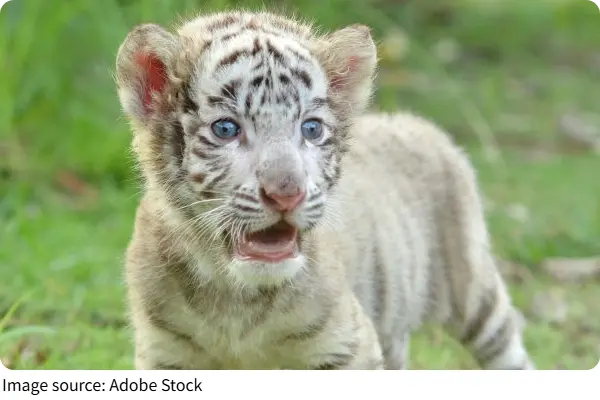
In captivity, tiger cubs are raised in controlled environments like zoos, sanctuaries, or breeding centres. They are often born in safe, comfortable enclosures. Their meals are provided regularly, so they do not need to hunt. Veterinary care is available, and they are protected from predators. Without natural threats, their survival rate is much higher.
Captive cubs receive attention from caretakers and often form bonds with their human keepers. They are given toys and enrichment activities to keep their minds sharp. Play is still important in captivity, helping them develop physical coordination and mental stimulation. However, they may not develop the same hunting skills as wild tigers because they never need to catch their own food. Space can also be limited compared to the vast territories they would roam in the wild.
Learning and Development
Whether in the wild or captivity, tiger cubs learn through play. In the wild, play is guided by survival — stalking, pouncing, and wrestling with siblings. In captivity, play is encouraged through toys, balls, and interaction with keepers. Both settings help cubs build strength and agility. But the skills learned in the wild are more directly tied to survival, while captive cubs learn to adapt to human care.
Challenges in Each Environment
In the wild, cubs face hunger, illness, and predators. They must learn quickly to survive. In captivity, the challenges are different. Some cubs face the risk of being separated from their mothers too early for commercial purposes, which can cause stress and behavioural issues. Ethical captivity focuses on conservation and education, providing a safe haven for tigers while raising awareness about their endangered status.
Conservation and Hope
Both wild and captive cubs play a role in the survival of their species. Wild tigers are essential for balancing ecosystems, while captive tigers contribute to breeding programmes and education. Conservation efforts help protect wild habitats and improve the welfare of captive animals. Every cub, whether wild or captive, represents hope for the future of tigers worldwide.
Final Thoughts
Tiger cubs are beautiful, playful, and full of life, Lykkers. Whether they grow up in the wild or in captivity, their journeys are shaped by the world around them. Wild cubs learn the art of survival, while captive cubs grow up safe but without the same natural experiences. Both deserve our care, protection, and admiration. By supporting conservation efforts, we can help ensure that tiger cubs — wherever they are — have a future worth roaring about.