Animal
Turtle Setup Costs
Hi, Readers! Bringing home a turtle can feel charming at first glance, like signing up for a quiet roommate who carries its house around. But before that little shell settles in, the equipment bill tends to arrive like an uninvited guest with a very long receipt. A proper turtle setup is not just a tank and a splash of water.
It usually includes a habitat sized for the species, a basking area, lighting, heating, filtration, substrate, food, and cleaning tools. If you skip the basics, the turtle pays for it, and so does your wallet later.

The Tank Comes First
A turtle needs space, and this is where the first major expense comes up. Aquatic turtles commonly need a large aquarium or stock tank with enough room to swim and turn easily. A small container from a shop shelf may look tempting, but it works about as well as living in a hallway closet. Many keepers end up buying a larger enclosure after realizing the first one was too small, which means paying twice. The tank itself is often the foundation of the whole budget, and once you choose a larger setup, every other item tends to scale up with it.
Heat and Light Are Not Optional
Turtles need both heat and ultraviolet lighting to stay healthy. That means a basking lamp for warmth and a UVB lamp to support shell and body health. These are not one-time purchases forever, because bulbs need replacing even when they still look bright. It is a bit like a ceiling lamp that seems fine while quietly failing at its real job. Fixtures, domes, timers, and safe mounting hardware can also add to the total. This category often surprises first-time owners because it is easy to forget that light has a running tab.
Water Filtration Adds Up Fast
For aquatic turtles, filtration is a major piece of the bill. Turtles are messy, and a weak filter can turn clean water into a swampy headache in no time. A powerful filter rated above the tank size is often recommended, along with replacement media and regular maintenance supplies. Add a siphon, water conditioner if needed, test kits, and scrub tools, and suddenly the cleaning corner looks like a tiny maintenance station. It is not glamorous, but it keeps the habitat stable and makes daily care much easier.
The Basking Zone and Interior Setup
A turtle also needs a dry basking platform where it can fully leave the water and warm up. Depending on the habitat, this can be a floating dock, a built structure, or a separate raised section. Thermometers help monitor both water and basking temperatures, and some keepers add a water heater depending on the species. Decorations, hiding spots, and substrate may seem like finishing touches, but they still affect the budget. Each small piece feels harmless on its own, then teams up with the others like sneaky little receipt builders.
Food and Routine Supplies
The spending does not stop after setup day. Turtles need species-appropriate food, and many owners rotate pellets, leafy greens, and other approved items to provide variety. Calcium supplements may also be part of routine care. On top of that, there are recurring costs such as replacement bulbs, filter media, cleaning supplies, and occasional enclosure upgrades. The first purchase is the loud part, but the quiet monthly costs are the ones that keep tapping you on the shoulder.
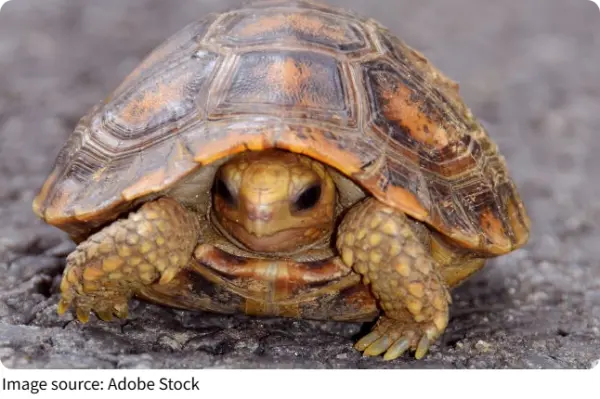
The real lesson in a turtle equipment bill is simple: the turtle itself is usually not the expensive part. The habitat is. A thoughtful setup from the start can save money, reduce stress, and help the turtle thrive. So before bringing one home, make a full checklist and price every item honestly. A turtle may look low-key, but its starter kit can be surprisingly deluxe. If you go in prepared, you will be much more likely to enjoy the experience instead of staring at receipts like they just grew legs and followed you home.