Plants
Growing Alliums Well!
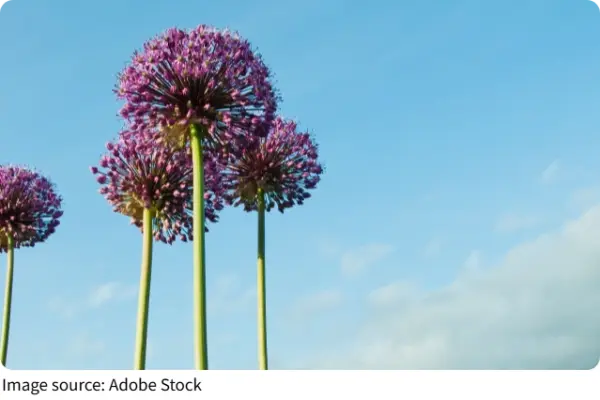
Alliums add unusual shapes and strong visual interest to flower gardens. Their rounded flower heads, made up of many tiny star-like blooms, rise above slender stems and create an attractive contrast with softer flowers and leafy plants.
Depending on the variety, the flowers may appear in shades of purple, violet, pink, white, or yellow. Many ornamental alliums are also relatively easy to grow once their basic needs are understood.
Choose the Right Allium Variety
Alliums belong to a large plant group that includes ornamental flowering species as well as familiar edible plants. Garden varieties differ considerably in height, flower size, and flowering time. Some produce compact clusters, while others develop large spherical heads on tall stems.
Before purchasing bulbs, check the expected height and spread of the variety. Tall types work well toward the back of a border, while shorter selections are suitable for the front or for containers. Flowering periods also vary. Planting several varieties with different blooming times can extend the period of interest in the garden.
Find a Sunny Planting Location
Most ornamental alliums perform best in a sunny position where they receive several hours of direct light each day. Adequate sunlight supports flowering and helps stems develop properly. Good drainage is equally important. Allium bulbs can struggle in soil that stays wet for long periods, particularly during their dormant season.
If the garden soil is heavy, incorporating suitable organic matter and improving drainage may help. In areas where waterlogging is difficult to avoid, consider using a raised bed or a container with drainage holes.
Plant Bulbs at the Appropriate Time
Many popular ornamental alliums are grown from bulbs planted in autumn for flowering the following spring or early summer. However, planting schedules depend on the species and local climate, so check the instructions supplied with the bulbs. As a general guide, plant bulbs with their pointed ends facing upward.
Follow the recommended depth for the variety, since larger bulbs are usually planted deeper than smaller ones. Space them according to their expected mature size to give each plant room to develop. After planting, cover the bulbs with soil and water lightly if the ground is dry. In many climates, natural rainfall provides sufficient moisture during the cooler months, but the soil should not remain saturated.
Water and Feed With Care
Once growth begins, water the soil when it becomes dry, particularly during periods without rain. The goal is to keep the root area reasonably moist during active growth without creating waterlogged conditions. Established alliums in suitable garden soil often need less frequent watering than plants in containers. Pots dry out more quickly, so check them regularly during warm weather.
Maintain Foliage After Flowering
After the flowers fade, the leaves continue to play an important role. They collect energy that the bulb stores for future growth, so avoid cutting healthy foliage while it is still green. Allow the leaves to turn yellow and dry naturally before removing them. This may leave a temporary gap in the flower border, especially when taller varieties finish flowering early. Planting nearby perennials can help fill the space and keep the garden looking attractive.
Manage Common Growing Problems
Alliums generally grow well when their basic requirements are met, but unsuitable conditions can cause problems. Yellowing leaves may occur naturally after flowering, although early discoloration can also indicate watering issues or other growing stresses. Poor drainage is one of the most important concerns because persistently wet soil can damage bulbs. Check the growing conditions before adding more water or fertilizer.

With thoughtful placement and simple seasonal maintenance, alliums can add height, texture, and distinctive rounded blooms to a flower border year after year. Their varied sizes and colors also make it easy to find options for different garden styles and spaces.