Plants
Care For Blue Hydrangeas
Hydrangeas are popular garden shrubs because their large flower clusters create an impressive display throughout the blooming season. Some varieties produce pink flowers, while others develop purple or blue shades.
What makes these plants especially interesting is that their flower color can sometimes be influenced by the conditions in which they grow.
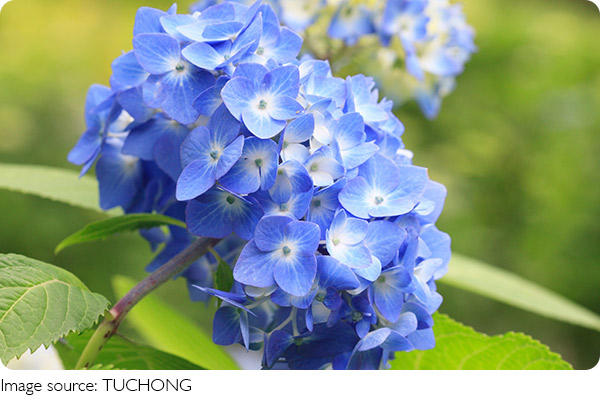
Choose a Hydrangea That Can Change Color
Not every hydrangea can be turned blue by adjusting the soil. The color-changing effect is most common in certain varieties of bigleaf hydrangea (Hydrangea macrophylla) and mountain hydrangea (Hydrangea serrata).
These types may produce pink, purple, or blue flowers, depending in part on soil chemistry and the plant's availability of aluminum. White-flowering hydrangeas generally do not turn blue simply because the soil becomes more acidic. Before purchasing a shrub, check the plant label to confirm that the variety produces blue flowers. Starting with a suitable cultivar saves time and avoids disappointment when soil adjustments have little effect.
Understand How Soil Affects Flower Color
The key to blue hydrangea blooms is the relationship between soil acidity and aluminum availability. In more acidic soil, aluminum is generally more available for root uptake. In color-responsive hydrangeas, aluminum interacts with natural pigments in the flowers, helping produce blue shades.
In soil with a higher pH, aluminum may be less available to the plant, making pink or pink-purple flowers more likely. A soil pH of approximately 5.0 to 5.5 is often associated with blue blooms, although results vary by cultivar and growing conditions.
Test the Soil Before Making Adjustments
A soil test helps determine whether the growing area is already suitable for blue flowers. Garden centers and agricultural testing services may offer testing options, depending on your location. If the soil is already sufficiently acidic, additional treatment may not be necessary. Making it more acidic than needed will not automatically produce a deeper blue color and may interfere with nutrient availability.
For hydrangeas growing in containers, check the potting mix's pH requirements as well. Container soil can behave differently from garden soil, so follow the instructions for the particular product and plant variety. Record the results before changing anything. This makes it easier to judge whether later adjustments have improved the growing conditions.
Adjust Soil Conditions Gradually
Gardeners sometimes use soil amendments designed to lower pH when the ground is too alkaline for blue hydrangeas. Elemental sulfur is one option, but its effectiveness depends on soil type, moisture, temperature, and the amount applied. Follow the product label carefully and avoid applying large amounts to speed up the process. Soil chemistry changes gradually, and repeated testing is more useful than making several major adjustments at once.
Some gardeners use aluminum sulfate to increase the availability of aluminum. However, incorrect application can damage roots, so it should only be used when appropriate for the plant and soil conditions. Follow the recommended application rate and timing rather than estimating the amount yourself.
Maintain Healthy Growing Conditions
Flower color is only one part of successful hydrangea care. These shrubs also need suitable light, moisture, and drainage to grow well. Many bigleaf hydrangeas perform well in morning sunlight with some afternoon shade, particularly in warm climates. Strong afternoon sunshine can increase water stress, while very deep shade may reduce flowering.
Keep the soil evenly moist without allowing water to collect around the roots. During hot or dry periods, check the ground regularly and water when necessary. A layer of organic mulch can help conserve moisture and moderate soil temperature.
Be Patient With the Results
Hydrangea color does not always change immediately after soil treatment. Existing flower clusters may retain their current shade, and changes can become more apparent in later flowering seasons. Results may also differ within a single shrub if soil conditions are uneven or the plant's roots occupy areas with different pH levels. Natural variation between blooms is normal.
Continue checking the soil rather than repeatedly adding amendments. Once the desired conditions have been reached, maintaining them is generally more useful than making further unnecessary changes.

Encouraging blue hydrangea flowers begins with selecting a color-responsive variety and understanding the relationship between soil acidity and aluminum availability. Remember that healthy roots and appropriate watering remain essential, even when flower color is the main goal. With the right variety, careful soil management, and a little patience, hydrangeas can reward the garden with beautiful blue-toned blooms.