Plants
Pine Bonsai Tips
Dear Lykkers, have you ever wondered how a pine bonsai keeps its elegant shape while growing in a small container? These miniature trees bring the beauty of nature into gardens, patios, and balconies.
To maintain their neat appearance, we need to understand when to trim new buds, which branches to remove, and how to care for the tree afterward. With the right approach, we can encourage balanced growth while preserving its natural character.
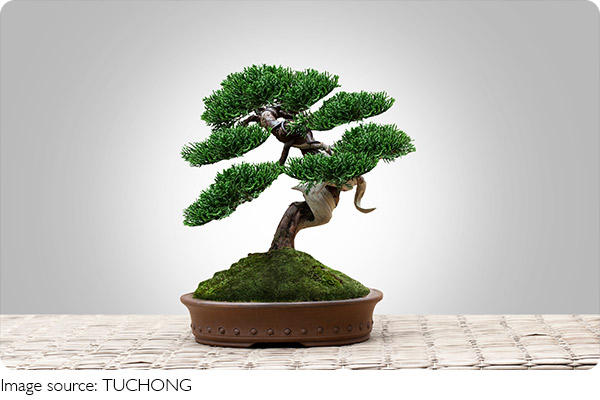
Why Do We Prune Pine Bonsai?
Pine bonsai trees develop new shoots as they grow. Sometimes, certain branches become stronger than others, making the crown uneven or crowded. Selective pruning helps us control this growth, maintain the desired outline, and keep the branches arranged pleasingly.
Before trimming, examine the tree from several angles. Notice the trunk's direction, the position of the main branches, and the spaces between them. This helps us decide which areas need attention. Rather than cutting everything that looks untidy, we should preserve healthy growth that supports the tree's overall structure.
Choose the Right Time
Spring is generally suitable for managing young buds because fresh shoots begin to appear during this period. We can compare their strengths and positions before deciding which to remove.
Branch pruning is often performed during dormancy, typically between October and February, as described here. However, the best timing depends on the pine species and local climate. Some trees follow different growth patterns, so observe your bonsai rather than relying solely on calendar dates.
Avoid extensive trimming at unsuitable times. Working with the tree's natural growth cycle helps reduce unnecessary stress and supports steady development.
Method One: Remove Selected Buds
Bud removal helps us manage vigorous growth during spring. Begin by examining the fresh shoots and identifying areas where growth is especially strong. If one branch develops much faster than another, reducing selected buds may help maintain a more balanced outline.
Carefully remove the unwanted buds from vigorous areas while preserving suitable growth elsewhere. Consider the tree's overall appearance before making each adjustment. The goal is to control strong growth without leaving important branches with too few healthy shoots.
Step back occasionally and inspect the tree from the front and sides. A natural, slightly irregular outline often looks more attractive than perfect symmetry. Beginners should make small adjustments and observe the results before attempting more extensive work.
Method Two: Trim Unwanted Branches
Branch pruning focuses on removing dead, damaged, diseased, or poorly positioned growth. It can also improve the tree's appearance when branches cross one another or crowd the spaces between them.
First, identify the branches that clearly need attention. Use clean, sharp pruning shears that suit their thickness, and make controlled cuts. Avoid removing several large branches simply to create an immediate change in shape.
Pine trees can release sticky resin from cut surfaces, and many species produce few new shoots from older wood. Heavy trimming may therefore leave lasting gaps. Preserve healthy branches whenever possible, especially if they contribute to the tree's structure.
Care After Pruning
After trimming, place the bonsai where it receives the light appropriate for its species. Check the soil regularly and water when needed, allowing excess water to drain freely. Avoid leaving the roots in waterlogged soil.
Give the tree time to respond before making further major changes. Watch the needles and remaining shoots for signs of healthy growth. Resin appearing at a fresh cut is common in many pine species, so it does not automatically indicate a problem.
Wound sealants are not always necessary. Before applying any product, check whether it is suitable for your particular pine species and pruning method.
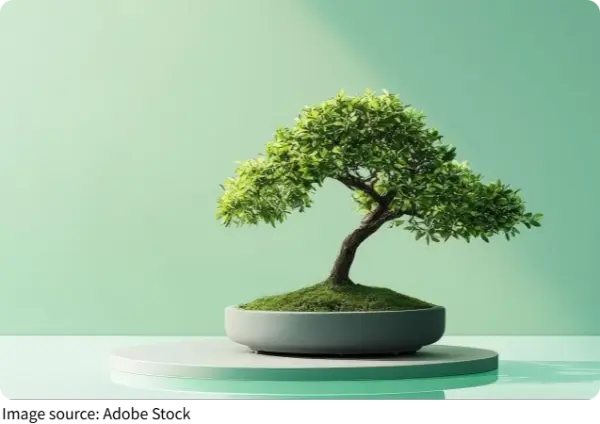
Lykkers, caring for a pine bonsai takes patience, observation, and careful timing. Spring bud removal helps us manage vigorous shoots, while selective branch pruning keeps the structure clear. By preserving healthy growth and avoiding excessive cuts, we can maintain a balanced shape without losing the tree's natural character.
Basic Pine Bonsai Pruning
Video by All Things Bonsai