Plants
Jade Plant Care!
Jade plants are popular indoor plants thanks to their thick, glossy leaves, sturdy stems, and naturally attractive shape. They can live for many years when their growing conditions suit their needs, making them a rewarding choice for both beginners and experienced plant enthusiasts.
Although jade plants are relatively easy to maintain, they still need the right balance of sunlight, water, soil, and temperature.
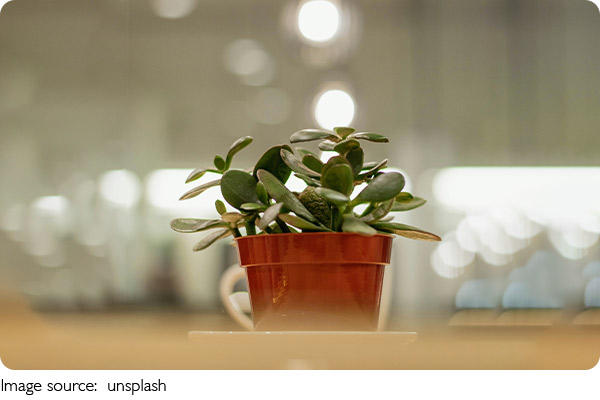
Choose a Bright Location
Jade plants grow best in bright light, with several hours of sunlight helping them maintain strong stems and compact growth. A sunny window that receives plenty of natural light is often a suitable location indoors. A south-facing or west-facing window can work well, depending on the intensity of the sunlight and the conditions inside the home.
When bringing a new jade plant into a brighter location, increase its exposure gradually. A sudden move from a dim room to intense direct sunlight may cause leaf damage. Watch how the plant responds and adjust its position when necessary.
Water Only When Needed
One of the most important parts of jade plant care is avoiding excessive watering. Its thick leaves store moisture, allowing the plant to tolerate periods of dryness better than consistently wet soil. Rather than following a rigid daily or weekly schedule, check the soil before watering. Allow the soil to dry out thoroughly between watering sessions.
Never leave the plant sitting in a saucer filled with standing water. Persistently wet soil can damage the roots and cause the stems to soften. Wrinkled leaves may indicate that the plant needs water, while yellowing, soft leaves can suggest excessive moisture, although other growing problems may produce similar symptoms.
Use Well-Draining Soil
Jade plants need a growing medium that allows water to move through easily. Ordinary garden soil or dense potting mixes can retain too much moisture, especially when used in containers without adequate drainage. A cactus and succulent potting mix is a practical option because it drains more freely than many standard indoor potting mixes. A container with drainage holes is equally important because it allows excess water to drain rather than collect around the roots.
Maintain Comfortable Temperatures
Jade plants generally prefer comfortable indoor temperatures and do well in many typical home environments. Keep them away from cold drafts, chilly windows during cold weather, and sudden temperature changes. Warm conditions support active growth, while cooler indoor temperatures may slow development. Avoid placing the plant directly beside heating vents or air-conditioning outlets, where fluctuating temperatures and dry air can affect its growing conditions.
Feed During Active Growth
Jade plants do not require heavy feeding. During the growing season, a balanced fertilizer formulated for succulents or other indoor plants can provide additional nutrients. Follow the product's instructions and avoid applying more than recommended. Fertilizing too frequently can lead to excess nutrient buildup in the soil and may harm the roots.
Prune and Repot With Care
Occasional pruning helps maintain an attractive shape and removes damaged or unwanted growth. Use clean, sharp pruning tools and trim selectively rather than removing large amounts of growth at once. Healthy cuttings can sometimes be used to grow additional jade plants.
Repotting is usually necessary when the plant becomes crowded in its container, the soil drains poorly, or the roots have filled much of the available space. Spring is often a convenient time because the plant can resume active growth afterward. Choose a container only slightly larger than the existing one and use fresh, well-draining soil. After repotting, handle watering carefully while the plant adjusts to its new surroundings.
Recognize Common Problems
Changes in leaf appearance can offer useful clues about a jade plant's condition. Soft stems, mushy leaves, and persistently wet soil may point to overwatering or root damage. Wrinkled leaves can indicate that the plant has remained dry for too long, while pale or stretched growth may suggest inadequate light.

Growing a jade plant indoors does not require a complicated routine. With consistent care and a suitable location, a jade plant can become a long-lasting feature of an indoor space.