Plants
Grow Potted Plants Faster
Hello, let's get started. You water it, you talk to it, you wait, and the plant just sits there looking exactly the same as the day you bought it.
A slow-growing potted plant is usually not broken. It's responding to something in its setup, and once you find the single factor holding it back, new leaves start appearing within weeks.
Light is the usual suspect
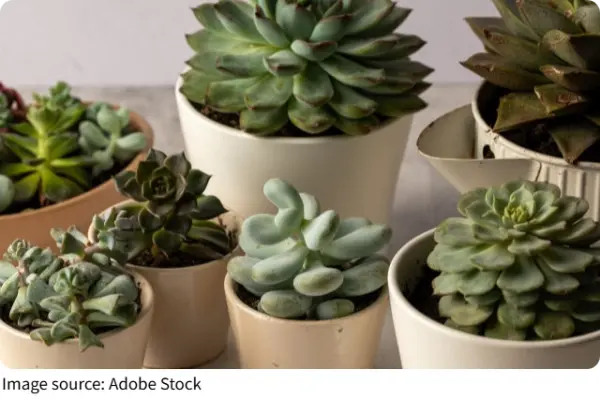
A plant that gets by in dim light survives but doesn't grow. Most houseplants sold as "low light" still want bright, indirect sun, and the difference shows fast. Move a pothos from a dark hallway to a spot two feet from a south-facing window, and you'll often see a new leaf within a month. A cheap light meter or a phone app can tell you if the spot reads under 200 foot-candles, which is too dark for steady growth.
Roots need room to move
Check the drainage hole before you blame anything else. If roots are circling the bottom or poking out, the plant has run out of space and nutrients. A rootbound ficus will stall for months, then jump once you move it up one container size, roughly 2 inches wider in diameter. Don't overshoot into a huge container. Excess wet soil around a small root ball leads to rot, not growth.
Feed the plant you actually have
Slow growth often means hungry growth. A balanced liquid fertilizer at half the label strength, applied every two to four weeks during the growing season, keeps nitrogen and potassium available for new leaves. Hold off in winter, when light drops and the plant naturally slows. Overfeeding is its own problem, so don't double up to speed things along.
Water, but not too much
Overwatering is the quiet killer of potted plants. Soggy soil suffocates roots, and a plant with damaged roots can't produce new growth, no matter how much light it gets. Let the top inch of soil dry before you water again, and make sure the container drains freely. A moisture meter takes the guesswork out of it if you tend to water on habit.
Warmth and humidity help
Most houseplants come from tropical climates and grow fastest between 65 and 80 degrees Fahrenheit. Cold drafts from windows or air conditioning slow them right down. A humidity tray or a nearby humidifier helps plants like calatheas and ferns, which stall in dry indoor air. Keep leaves clean too. Dust blocks light, and a quick wipe every couple of weeks makes a measurable difference.
Prune to trigger new growth
Counterintuitive, but cutting back a leggy stem pushes the plant to branch. Pinching off the growing tip on basil or a trailing philodendron forces side shoots, giving you a fuller plant instead of a single long stem. Remove dead or yellowing leaves as well. They drain energy the plant could send elsewhere.
Start with light and roots, since those fix the biggest slowdowns, then work through feeding and watering. Give changes a few weeks before you judge them. Plants move on their own schedule, and once the conditions are right, yours will too.
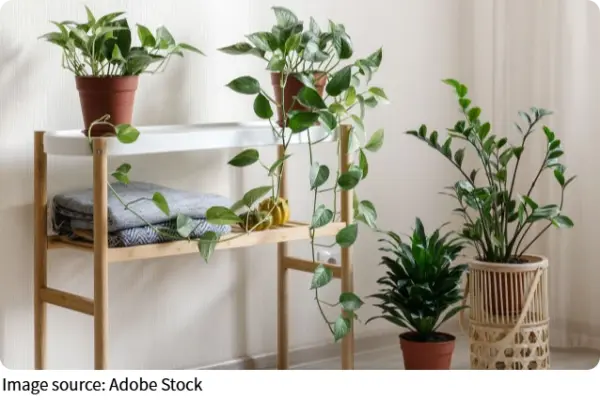
Helping potted plants grow faster starts with providing the right conditions, not by adding more water or fertilizer. Make sure each plant receives suitable light, has enough room for healthy roots, and gets the moisture and nutrients it needs. Consistent temperatures, appropriate humidity, and occasional pruning can also encourage healthy growth. Remember that different plants grow at different rates, and seasonal slowdowns are normal. With a little patience and attention to their needs, your houseplants can develop stronger roots, fuller foliage, and steady new growth.