Plants
Plants That Forgive Neglect
Hello, and thank you for reading. Some houseplants need daily attention, a misting schedule, and specific light conditions.
Then there are the ones that sit through two weeks of neglect and still push out a new leaf. If you travel, work long hours, or just forget things, these ten are worth a spot on your shelf.
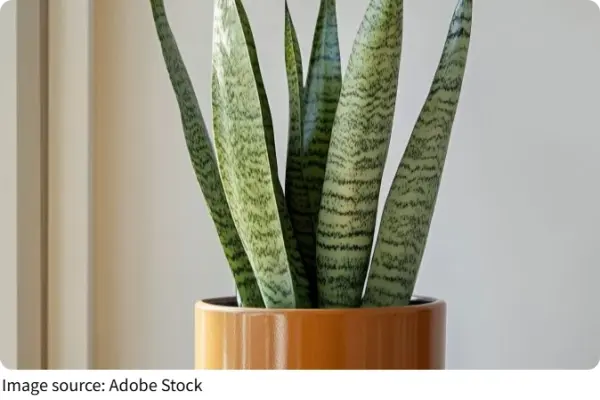
Start with a snake plant
You can leave a snake plant alone for a month, and it won't complain. It stores water in thick upright leaves, so it tolerates dry soil far better than wet soil. The one real mistake is overwatering, which rots the base. Water it every two to three weeks, less in winter, and give it indirect light. It handles a dim corner but grows faster near a window.
Pothos handles almost anything
Pothos, also called devil's ivy, roots easily and grows in almost any light level except deep shade. You'll see it in offices everywhere because it forgives skipped waterings. Let the soil dry between drinks and trim the vines when they get long. A cut stem, when dropped in water, grows new roots in about two weeks.
ZZ plant is built for low light
The ZZ plant grows from thick underground rhizomes that hold moisture, which is why it survives long dry stretches. It's one of the few that does fine in a room with no window at all, though it grows slowly there. Water every three to four weeks. Yellow leaves usually mean too much water, not too little.
Aloe vera wants sun and little else
Aloe vera is a succulent, and succulents fail most often from kindness. Water it every two to three weeks during the growing season, then cut back to once a month in winter. It needs bright light, ideally a south-facing window. The gel inside the leaves is handy for minor kitchen burns, and the plant spreads into new pups you can repot.
Peace lily tells you when to water
Peace lilies droop dramatically when thirsty, then perk up within hours of a watering. That visible signal makes them easy to keep track of, even if you sometimes forget. They prefer medium indirect light and will scorch in direct afternoon sun. Skip the tap water if yours is heavily treated; filtered water keeps the leaf tips from browning.
Cast iron plant lives up to its name
The cast iron plant, Aspidistra elatior, earned its nickname by surviving dim hallways, dry air, and irregular watering for decades. It grows slowly, so a single plant stays compact for years. Water when the top inch of soil feels dry and keep it out of direct sun. Brown leaf tips usually point to dry air rather than a watering problem.
Spider plant is nearly unkillable
Spider plants send out runners with baby plants that root in soil or water, so one purchase turns into several. They tolerate most light levels and bounce back from missed waterings. Water every one to two weeks and let the soil dry slightly between rounds. Fluoride in tap water can brown the tips, so rainwater works better if you have it.
Jade plant stores water in its leaves
Jade plant leaves are thick and plump for a reason: they hold water. Water thoroughly, then wait until the soil is completely dry before watering again, roughly every two to three weeks. Give it bright light, and it develops a ligneous trunk over time. Cold drafts and soggy soil are the two things that hurt it.
Chinese evergreen for darker rooms
Chinese evergreen, or Aglaonema, handles low light better than most leafy plants and grows slowly, so it needs little care. Water every one to two weeks, letting the soil dry slightly in between. The variegated varieties need brighter light to keep their color. It's a solid pick for a bathroom with a small window.
Rubber plant grows tall with little fuss
A rubber plant, Ficus elastica, can reach ceiling height indoors with minimal attention. Water every two to three weeks when the top inch of soil is dry, and wipe the leaves occasionally so dust doesn't block light. It prefers bright indirect light. One quirk: it dislikes being moved, so pick a spot and leave it there.

Most of these plants fail from too much water, not too little. Check the soil with a finger before pouring, and when in doubt, wait a few more days. A simple rule that works for nearly all ten: water deeply, let the container drain fully, and don't touch it again until the soil dries. Try one plant first and see how it goes.