Plants
Indoor Plants That Thrive
Welcome back, everyone. You walk into a living room, and the first thing you notice is usually a plant in the corner that's been there for years, still green, still holding its shape.
That's not luck. It's a plant matched to the light. Most living rooms sit in the middle of a house, which means bright indirect light near a window and dimmer conditions a few feet back. Get that match right, and the rest gets easy.
Start with the light you actually have
Before you buy anything, stand in the spot where the container will go and look at the window. If you can read a book there at noon without turning on a lamp, that's bright indirect light. If the corner feels dim even at midday, you need a plant that tolerates low light. The snake plant (Sansevieria) handles both, which is why it turns up in so many living rooms, and it'll go two or three weeks between waterings without complaint. A peace lily will also survive low light, but it'll droop dramatically when it's thirsty, then perk up an hour after you water it.
Plants that forgive missed waterings
The number one way people lose houseplants is overwatering, not neglect. A ZZ plant stores water in its thick underground rhizomes, so it can sit in dry soil for weeks. A pothos is nearly as tough and will trail nicely off a shelf or bookcase. Both prefer being left alone to being fussed over. Water when the top inch of soil feels dry, and skip the schedule entirely in winter, when growth slows and the soil stays wet much longer.
The ones that need a little more care
Not every plant is a survivor. A fiddle leaf fig looks striking in a bright corner but reacts badly to drafts, cold windows, and being moved. If your living room has a radiator under the window or a door that opens to the outside, that spot will test it. A rubber plant is a gentler option for similar height and leaf size, and it tolerates average indoor humidity far better than the fiddle leaf does.
Match the container to the room
A plant that's easy to keep alive can still look wrong if the container is the wrong size. Go one container size up from the nursery container at most, since too much soil around the roots holds water and can rot them. A 10-inch container suits a snake plant sitting on the floor, while a 6-inch container is plenty for a pothos on a side table. Add a saucer under anything on wood, and empty it twenty minutes after watering so the roots aren't sitting in water.
Keep the leaves clean and the light steady
Dust settles on big leaves like the rubber plant's and blocks the light the plant needs. Wipe them with a damp cloth every few weeks. Also, don't rotate the container constantly, since plants lean toward the window and a plant that gets moved around never settles into a shape. Turn it a quarter turn once a month and leave it alone otherwise.
Pick a plant for the light in your actual room, not the light you wish you had, and water it less than you think you should. That's most of what keeps a living room green year after year. Next time you're standing in that dim corner, remember the snake plant before you reach for something fussier.
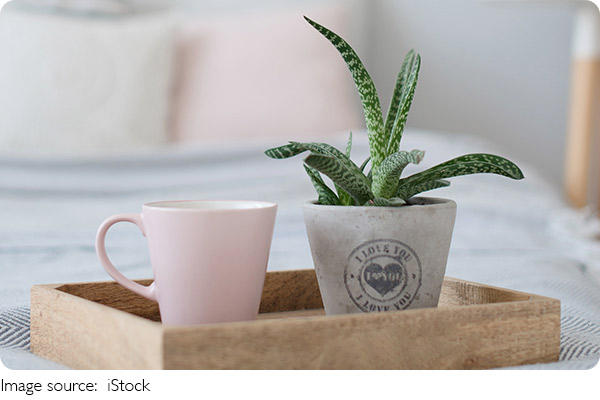
Keeping indoor plants healthy begins with choosing varieties that suit your living room's natural light and everyday conditions. Hardy options such as snake plants, ZZ plants, and pothos can tolerate occasional missed waterings, while more demanding plants need closer attention to their environment. Proper drainage, suitable containers, and occasional leaf cleaning also help support healthy growth. Rather than following a rigid watering schedule, check the soil and adjust your care to each plant's needs. With the right choices and a little consistent attention, even a modestly lit living room can become a welcoming green space that stays attractive for years.