Plants
Orchid Care Tips
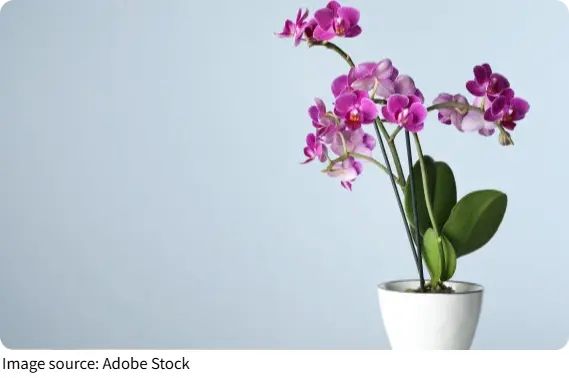
Friends, have we ever admired an orchid with an unusual shape and beautiful colors? Orchids are a remarkable group of plants that can bring something special to our plant collection.
To help it grow well, we need to pay attention to light, temperature, water, nutrients, and daily care. By observing its leaves and roots, we can adjust our routine to suit its needs.
Provide Bright, Gentle Light
Light supports healthy leaves and flower development. Orchids generally benefit from bright, indirect light. We can place it near an east-facing window or behind a light curtain near a brighter window. Strong midday sunshine may scorch its leaves, so we should avoid prolonged exposure to direct sunlight.
Good air movement is also helpful. A gently ventilated room allows fresh air to circulate around the leaves and growing medium. If natural daylight is limited, we can use suitable plant lights, such as horticultural LED lamps. Keep the lamp at an appropriate distance and adjust the lighting period according to the plant's response.
Maintain Suitable Temperatures
Temperature affects how well an orchid grows and produces flowers. Orchids need a stable environment suited to their particular growing requirements. We should avoid sudden temperature changes and observe how the plant responds throughout the year.
During colder months, move the orchid away from chilly windows, cold drafts, and frequently opened doors. If the room becomes too cool, a safe indoor heating system can help maintain a steady temperature. However, placing the plant directly beside a heater may dry its leaves and growing medium too quickly.
Water Carefully and Regularly
Watering deserves special attention because Orchids generally prefer consistently moist roots. We should check the growing medium regularly and avoid letting it dry out completely. At the same time, excess water needs to drain freely to keep the roots healthy.
When watering, apply enough clean water to moisten the medium thoroughly, then allow the excess to drain through the container's holes. A suitable orchid mix and a container with good drainage help maintain a healthy root environment.
Warm weather may increase the plant's water needs, so we can check the medium more frequently during hot periods. If indoor humidity is low, a humidifier can help create a more suitable environment. Misting alone cannot replace proper watering, and leaves should not remain wet for long periods.
During winter, adjust watering based on room temperature, light levels, and plant growth. Instead of following a strict calendar, check the medium and the roots to decide when watering is needed.
Adjust Fertilizer by Season
During active growth in spring and summer, we can provide a balanced orchid fertilizer at the dilution recommended on its label. Gentle feeding can support new leaves and root development. We should avoid using a strong solution too frequently, as excess fertilizer can cause mineral salts to accumulate around the roots.
In autumn and winter, reduce feeding if growth slows. The plant's condition should guide our decisions rather than a fixed schedule.
We can occasionally flush the growing medium with clean water to help remove excess mineral salts. Healthy roots, steady leaf growth, and new growth are useful signs that our feeding routine is working well.
Check for Diseases and Pests
Regular inspection helps us notice problems early. Soft, discolored areas on leaves or stems, unusual flower spots, and sudden wilting may indicate a disease or another growing issue. Poor drainage and contaminated tools can increase the risk of infection.
Remove damaged plant material with clean cutting tools, and keep an affected plant separate from healthy ones when a contagious disease is suspected. Clean containers, suitable fresh growing medium, and good air circulation can also help reduce risks.
Before using any treatment, we should identify the problem and follow the product label carefully. A qualified plant-care specialist can help when symptoms are unclear. Avoid applying chemicals simply because a leaf looks unhealthy.

Final Thoughts
Caring for Orchids becomes easier when we provide suitable light, stable temperatures, consistent moisture, balanced feeding, and regular inspection. Small adjustments based on their condition can make a real difference over time.
Friends, which part of orchid care do we find most challenging: watering, choosing the right location, or encouraging flowers to appear? Share your experiences and keep observing your plants. With patience and thoughtful care, we can create a supportive environment where this distinctive orchid has a better chance of thriving.