Plants
Hydrangea Bloom Secrets
Have you ever admired a hydrangea covered in colorful, round flower clusters? Blue, pink, purple, and white blooms can turn a simple balcony or garden into a charming space.
Growing these flowers takes more than regular watering. We need to understand their varieties, sunlight needs, soil conditions, and pruning habits. With the right care, we can enjoy fuller blooms and healthier plants throughout the growing season.
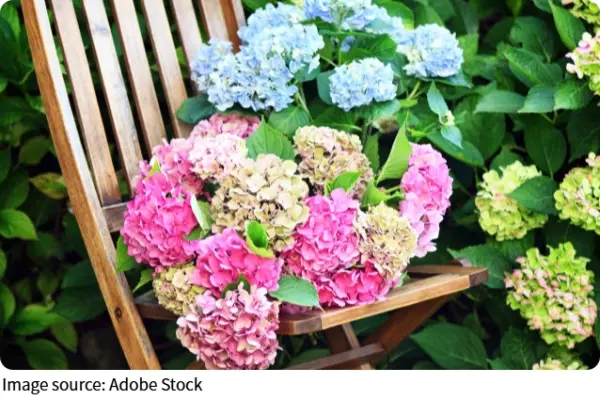
Choose the Right Variety
Different hydrangeas have different growing habits. Some varieties flower on both old and new branches, giving us more flexibility when pruning. Others produce delicate, double-layered flowers on branches that grew during the previous season, so we should protect those stems.
For colder regions, panicle hydrangeas are worth considering because they tolerate low temperatures and flower on new growth. Smooth hydrangeas produce large, creamy white clusters and can also suit many home gardens. Before choosing a plant, check its mature size, climate needs, and flowering habits. Selecting a variety suited to our surroundings makes daily care easier.
Water at the Right Time
Hydrangeas have broad leaves that lose moisture quickly, especially in summer. Check the top 2–3 centimeters of soil with a finger. If it feels dry, water thoroughly until excess moisture flows through the drainage holes.
Early morning or late afternoon is usually best during hot weather. Direct water toward the soil rather than soaking the flowers, as trapped moisture may shorten their display. In winter, plants growing indoors or in cool conditions generally need less water. Check the soil instead of following a fixed schedule, and avoid leaving the roots in standing water.
Find the Best Lighting
Many bigleaf hydrangeas grow well in bright, indirect light with gentle morning or late afternoon sunshine. Strong midday rays can scorch leaves, fade blooms, and cause wilting.
A sheltered balcony, a place beneath a tree, or a position beside a roof overhang can offer useful protection. If your garden receives sunshine throughout the day, provide some shade during summer. Panicle and smooth hydrangeas generally tolerate more direct sunlight than wide bigleaf varieties. Watch for brown leaf edges and pale patches, and adjust the plant's position as needed.
Explore Beautiful Flower Colors
Some hydrangeas can change color according to soil acidity and aluminum availability. Acidic soil can make aluminum more readily available to the plant, encouraging blue flowers. Less acidic conditions often favor pink shades.
However, not every variety changes color. White-flowered types and certain strongly colored cultivars may retain their original shades. If we want to experiment, choose a responsive variety and test the soil first. Adjust its acidity gradually using suitable gardening materials, following the instructions. Avoid adding vinegar or concentrated aluminum compounds without checking soil conditions, as excessive acidity can damage roots.
Prune to Protect Future Blooms
Pruning helps maintain plant shape, but timing matters. Many bigleaf hydrangeas form flower buds on old branches during the previous growing season. Heavy pruning at the wrong time can remove those buds and reduce flowering the following year.
After the flowers fade, trim away spent clusters and remove dead or damaged branches. Avoid cutting healthy branches back severely, especially late in the season. Varieties that flower on both old and new growth allow more flexibility, but gentle pruning remains a sensible approach.
Improve Soil and Prevent Problems
Hydrangeas prefer fertile, well-drained soil that holds some moisture. For container plants, use a suitable growing mix with organic material and perlite. Choose a container with drainage holes and repot when roots become crowded, often every 1 or 2 years.
During active growth, apply a balanced fertilizer suitable for flowering plants according to its instructions. Too much fertilizer may encourage leaves instead of flowers. Inspect leaves regularly for powdery mildew, brown spots, aphids, and spider mites. Good airflow, careful watering, and early attention can help prevent many common problems.
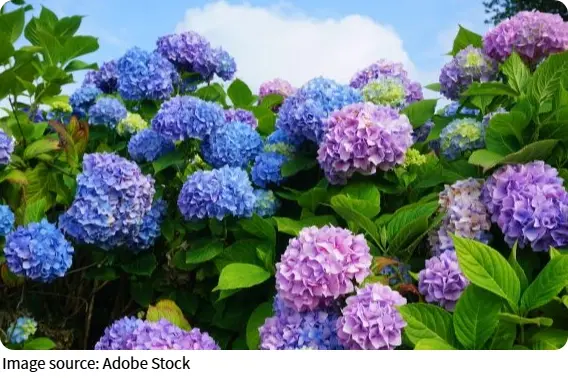
Growing hydrangeas is a rewarding way to bring color into our daily lives. By choosing a suitable variety, watering thoughtfully, providing proper light, and pruning at the right time, we can encourage beautiful blooms without complicated routines.
Even a small balcony can become a lovely flower corner with patience and consistent care.
How to Make Hydrangeas Bloom Like Crazy | How to Make Hydrangeas Flower | Hydrangea Care
Video by Planting 101