Plants
How Plants Find Light
Hi, Readers! A seedling on a windowsill can seem almost magical.
One day it stands straight, and before long it leans toward the brightest part of the room. That quiet movement is not random at all.
Plants have a remarkable way of sensing light and adjusting their growth so their leaves can gather more energy. They do not move from place to place, but they are constantly responding to what surrounds them. One of the clearest examples of this response is phototropism, which is a plant’s growth in relation to light.
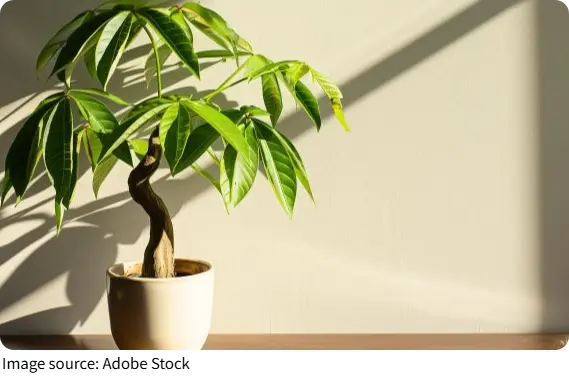
What phototropism means
Phototropism is the way a plant grows when light is coming from a particular direction. In many shoots and stems, growth bends toward the light. This is called positive phototropism. Roots often respond in the opposite way and may grow away from light, which is called negative phototropism. These growth patterns help different parts of the plant do their jobs. Leaves and stems benefit from reaching brighter areas, while roots are better suited to growing into the soil.
How plants detect light
Plants sense light with special systems in their tissues. In shoots, the tip plays a very important role in detecting where the light is strongest. When light reaches one side more than the other, the plant begins a chain of internal signals. This is not a quick visible motion like turning your head. It is a slow growth response, shaped by chemical changes inside the plant. Even though it happens quietly, it is a highly organized process.
The role of growth signals
A key part of phototropism involves auxin, a plant growth substance. When light shines from one side, auxin becomes unevenly distributed in the shoot. More of it gathers on the shaded side. There, it encourages cells to elongate more than cells on the lit side. Because one side grows faster, the stem bends toward the light. That bend is the result of unequal growth, not a sudden movement. It is a beautiful example of how a simple signal can guide the whole direction of growth.
Direction beyond light
Plants also respond to direction in other ways. Another important response is geotropism, also called gravitropism, which is growth in relation to gravity. Shoots usually grow upward, while roots usually grow downward. Together, light response and gravity response help plants orient themselves in space. If a young plant is tilted or placed somewhere unusual, these systems work side by side to guide the stem and roots back into useful positions.
Why this matters for survival
Sensing light and direction is essential for a plant’s survival. A stem that bends toward light can place its leaves where photosynthesis works best. A root that grows downward can anchor the plant and reach water and minerals. Without these responses, growth would be much less efficient. In crowded spaces, under forest cover, or near an indoor window, the ability to detect direction can make a real difference in how well a plant develops.
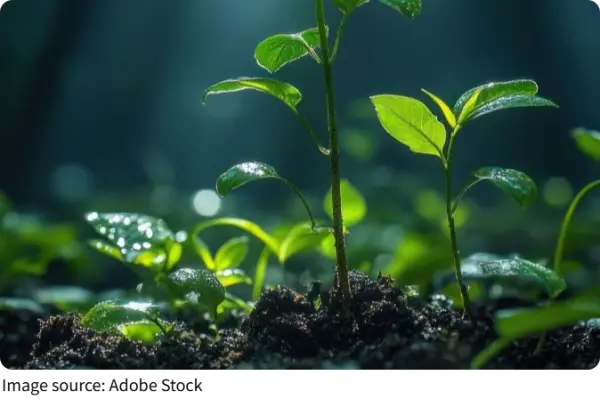
Plants may seem still, but they are always reading their environment in subtle ways. Their responses to light and gravity show just how active growth really is. The next time you notice a houseplant leaning toward the window, it can feel like a small reminder that living things are always adjusting, always seeking what helps them thrive.