Plants
Plants That Borrow Lunch
Hi, Readers! Most plants are like tiny green kitchens, whipping up their own meals from sunlight, water, and air.
Parasitic plants toss that cookbook out the window. Instead of making enough food for themselves, they latch onto other plants and live like houseguests who somehow also raid the fridge, pantry, and utility bill at the same time.
A parasitic plant survives by connecting to a host plant and drawing off what it needs. The key tool is a special structure called a haustorium. Think of it like a built-in tap line. It grows into the host’s tissues and links up with the transport system inside. Through that connection, the parasite can pull water and dissolved minerals, and in many cases sugars and other nutrients that the host has already made.
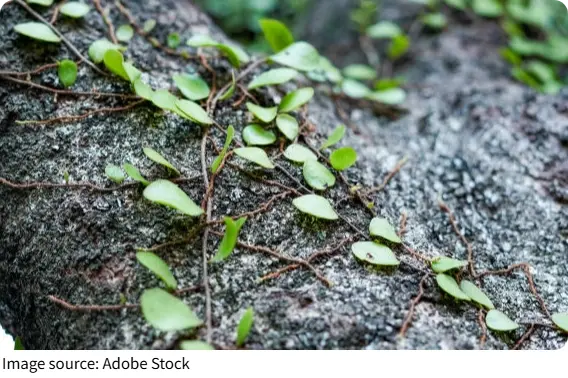
How the connection works
The haustorium is the whole trick. Once it reaches the host, it connects with the tissues that move resources through the plant. Some parasites primarily feed on tap water and minerals, while others also take organic nutrients. That means they can survive even if they do little or no photosynthesis of their own. In plain terms, they are not running a full kitchen. They are living off takeout from next door.
Parasitic plants can attach to stems or roots, depending on the species. Some wind around a host above ground, while others connect below the surface. Either way, the result is the same. The host becomes the supplier, and the parasite becomes very good at collecting without contributing much to the grocery bill.
Different levels of dependence
Not all parasitic plants are equally dependent. Some still contain chlorophyll and can carry out some photosynthesis. These are often called partial parasites. They make some of their own food but still rely on a host for water and minerals, and sometimes extra nutrients too. They are a little like someone who cooks breakfast but still shows up at a neighbor’s place for lunch and dinner.
Others are complete parasites. These plants have little or no chlorophyll and depend almost entirely on the host. Since they are not set up to produce much food on their own, the host keeps them going. Their survival depends on finding, attaching to, and maintaining that living pipeline.
Why this strategy works
This lifestyle may sound lazy, but in nature it is a workable survival plan. By tapping into another plant’s transport system, a parasite can live in places where making enough food for itself would be difficult or inefficient. It redirects energy toward finding hosts, forming attachments, and reproducing rather than building and maintaining the full photosynthetic machinery.
That does not mean the relationship is harmless. Parasitic plants can weaken hosts by taking resources the host needs for growth and survival. A light load may only stress the host, but a heavy infestation can seriously reduce its vigor. For crops and useful plants, that can become a major problem because the parasite is pulling away supplies right from the source lines.
A clever shortcut in nature
Parasitic plants survive without making their own food by plugging into the systems of other plants and taking what they need. Their haustoria act as access points to water, minerals, and often prepared nutrients. Some parasites still photosynthesize a little, while others rely almost completely on their hosts.

So the next time you think every plant is out there quietly making its own lunch in the sunshine, remember these botanical freeloaders. They survive by turning neighboring plants into living supply stations, which is both clever and a little cheeky. Nature really does love a surprising shortcut.