Plants
Nature's Purple Miracle
Hello, Lykkers! When you think of lavender, the first things that probably come to mind are its beautiful purple flowers and soothing fragrance.
But this remarkable plant offers much more than a pleasant scent. For thousands of years, lavender has been treasured by different cultures for its versatility, appearing in gardens, kitchens, skincare products, and wellness routines. Today, scientists continue to study its unique properties, uncovering fascinating facts about one of nature's most beloved plants.
Whether you're a gardening enthusiast, a wellness lover, or simply curious about this iconic flower, here are ten surprising benefits of lavender that extend far beyond its delightful aroma.
A Scent That Calms
Lavender's reputation for relaxation is more than clever marketing. Its essential oil contains aromatic compounds such as linalool and linalyl acetate, which researchers have studied for their possible effects on the nervous system and anxiety. The evidence varies depending on how lavender is used, but its association with calm has made it one of the best-known scents in aromatherapy. Even without treating it as medicine, its fragrance can become a familiar signal that it is time to slow down.
Made for Bedtime?
There is a reason lavender so often appears in pillow sprays, bedside diffusers, and evening bath products. Some studies have explored whether inhaling its aroma can improve aspects of sleep, although the results are not strong or consistent enough to call lavender a treatment for insomnia. Its more practical appeal may be simpler: adding a familiar calming scent to a bedtime routine can help create an environment associated with winding down.
2,500 Years of Lavender
Lavender's popularity didn't begin with modern essential oils. Different Mediterranean and Middle Eastern cultures have used fragrant lavender-like plants for centuries in perfumes, bathing, household preparations, and traditional remedies. The Romans are particularly associated with using aromatic plants in bathing and perfumery. That long history helps explain why lavender still feels equally at home in a garden, bathroom, perfume bottle, or linen drawer.
Beauty in a Bottle
Lavender has become almost impossible to avoid in the beauty aisle. Its essential oil contains compounds that have shown antimicrobial and anti-inflammatory activity in laboratory research, thereby encouraging interest in its potential skincare applications. But a promising result in a laboratory is not the same as a proven treatment on human skin. Essential oils can also irritate some people, particularly when used undiluted, so lavender's presence in skincare doesn't automatically make a product gentle or suitable for everyone.
A Magnet for Pollinators
What smells pleasant to us can serve a much more important purpose in the garden. Lavender's flower spikes provide nectar that attracts bees and other visiting insects, turning a patch of purple into a busy feeding ground when the plants are in bloom. That makes lavender useful for gardeners who want ornamental planting that can also provide resources for pollinators.
It Naturally Discourages Certain Insects
Lavender has another curious relationship with insects: while its flowers attract pollinators, compounds in its essential oil have also been investigated for repellent activity against certain unwanted insects, including mosquitoes. That doesn't mean a lavender plant beside the patio creates an invisible mosquito shield. Simply growing lavender is very different from using a tested repellent formulation, so it should be treated as a fragrant garden plant rather than a replacement for reliable bite protection.
It's Surprisingly Delicious
Lavender can move from the flower bed straight into the kitchen—but a little goes a very long way. Culinary lavender can add a floral note to biscuits, cakes, syrups, teas, honey, and even savory recipes. Too much, however, can quickly make food taste perfumed or soapy. The key is using varieties intended for culinary use and treating lavender more like a powerful herb than a main ingredient.
It Stays Beautiful Long After Harvest
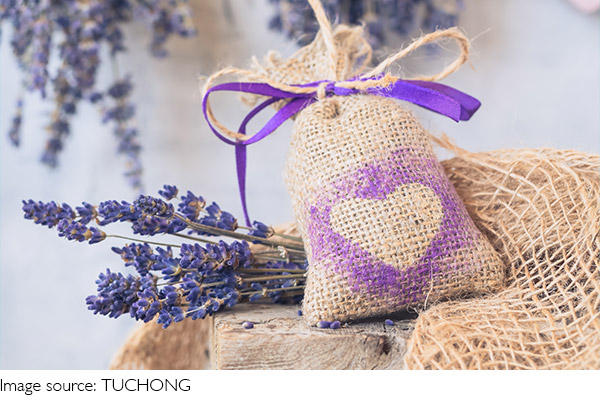
Lavender doesn't lose its usefulness when the flowers are cut. The stems can be dried and turned into bouquets, wreaths, sachets, and other decorations, while the flower buds retain some of their distinctive fragrance. Harvesting therefore gives the plant a second life indoors long after its flowering season has passed.
It Can Inspire Creativity and Improve Mood
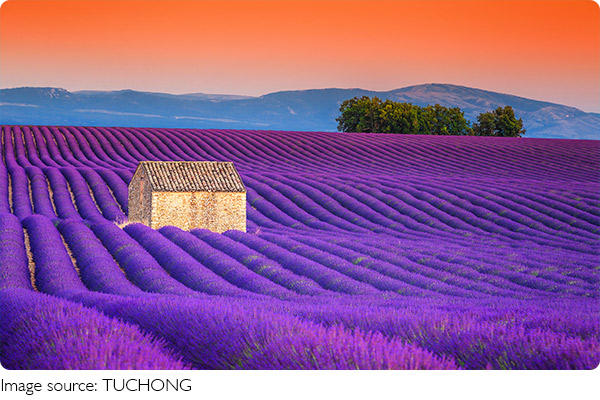
Lavender fields have become favorite destinations for photographers, artists, and writers because of their breathtaking colors and peaceful surroundings. Spending time in natural environments has been linked to improved mood and greater creativity, and lavender's vibrant landscapes provide the perfect setting for reflection and inspiration.
What Science Is Finding
Lavender has centuries of traditional use behind it, but researchers are still working to determine which of its supposed benefits stand up to scientific testing. Its naturally occurring compounds have been studied for possible effects involving relaxation, microorganisms, inflammation, and other areas, with some promising findings alongside plenty of unanswered questions.
Biomedical scientist Professor Heather M. A. Cavanagh and researcher Jennifer M. Wilkinson examined this evidence in their review of the biological activities of lavender essential oil. They found interesting evidence for several potential properties but also emphasized the need for stronger clinical research before many traditional health claims can be considered firmly established.
That distinction is what makes lavender particularly interesting to science: its long history provides plenty of ideas to investigate, but careful research is still needed to separate promising possibilities from proven effects.
Final Thoughts
Lavender is far more than a beautiful flower with a wonderful fragrance. It has inspired civilizations for centuries, supports important pollinators, enhances gardens and homes, flavors delicious foods, and continues to intrigue scientists around the world. Whether you're enjoying a cup of lavender tea, planting it in your garden, or simply admiring a field of vibrant purple blooms, this remarkable plant reminds us how nature can enrich our daily lives in countless ways.