Plants
The Art of the Vase
Lykkers, a bouquet in a china vase can feel like a tiny still-life painting, but the secret is not to stuff in more flowers. Shape, water care, color balance, and even the direction each stem faces can completely change the result.
With a few practical tricks, you can make an ordinary bouquet look deliberate, lively, and surprisingly elegant while also keeping the flowers fresh for longer.
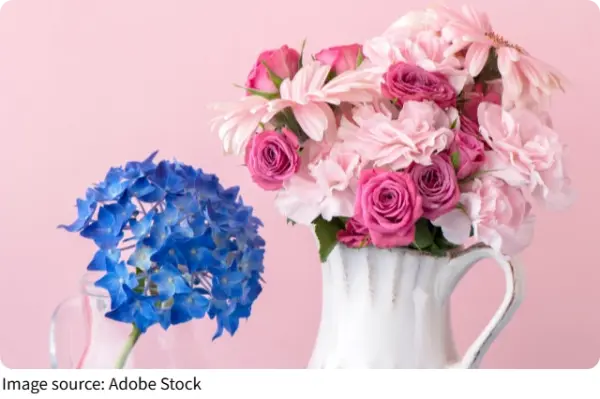
Turn Flowers Into a Scene
A beautiful arrangement usually starts before the flowers enter the vase. Instead of treating every stem equally, you can think of the bouquet as a small landscape. Some flowers become the stars, some create movement, and others quietly fill the empty spaces. This makes arranging much easier and much more fun.
Start With the Vase, Not the Flowers
A china vase already has personality, especially when it carries painted patterns, soft colors, or traditional motifs. Let that design guide your bouquet.
If the vase has busy decoration, choose flowers in two or three main colors so the whole display does not become visually crowded. A simple white china vase gives you more freedom, so brighter combinations such as yellow, coral, violet, and green may work beautifully.
Vase height matters too. A useful starting point is to make the finished bouquet around one and a half times the height of the vase. For a 20 cm vase, your tallest stems could reach roughly 30 cm above the rim. This is not a strict rule, but it prevents the bouquet from looking either tiny or top-heavy.
Create Three Flower Heights
Perfectly even flower tops often look stiff. Instead, divide the stems mentally into three height groups.
Place the tallest stems near the center or slightly toward the rear. Medium stems create the main shape, while shorter flowers sit near the edge and soften the outline.
For example, with 12 stems, you might keep three tall, five medium, and four short. Rotate the vase as you arrange so one side does not accidentally receive all the interesting flowers.
You do not need perfect symmetry. In fact, a stem leaning slightly outward often adds more character than another perfectly upright one. Think relaxed garden energy rather than formal inspection.
Choose One Main Character
Every memorable bouquet benefits from a focal flower. It might be the largest bloom, the strongest color, or simply the flower with the most unusual shape.
Place that flower slightly away from the exact center. Your eyes naturally move around the arrangement instead of stopping immediately in the middle.
Then position smaller blooms nearby rather than evenly surrounding the focal flower. This creates little visual groups, similar to how flowers often appear outdoors.
Let Greenery Do Real Work
Leaves are not filler that should disappear. They control the silhouette of the bouquet.
A few stems extending sideways make a narrow arrangement look wider. Upright greenery adds height, while delicate foliage fills gaps without making the bouquet feel dense.
Try leaving several small spaces between flowers. Empty space sounds strange when arranging a bouquet, but it lets individual blooms remain visible. When every gap is filled, beautiful flowers can start looking like one colorful mass.
Keep The Bouquet Fresher
Once your arrangement looks right, the next challenge begins. Cut flowers are still living plant material, and small care habits can noticeably affect how long they remain attractive. A few minutes of attention each day usually matters more than complicated flower tricks.
Prepare Stems Before Arranging
Remove leaves that would sit below the waterline. Submerged foliage breaks down quickly and encourages microbial growth, which can make water cloudy and shorten flower life.
Trim around 1 to 2 cm from the base of each stem before placing it in fresh water. A clean diagonal cut increases the exposed stem area and may make water uptake easier.
Try to move freshly trimmed stems into water soon after cutting them. Leaving them sitting dry on the table while arranging everything else may reduce hydration, particularly with delicate flowers.
Water Is Your Daily Checkpoint
Check the vase every day. Flowers often drink more than expected during their first day indoors, especially when the room is warm.
Top up the water when needed, and replace it completely every one or two days if it becomes cloudy. When changing the water, rinse the inside of the vase gently before returning the flowers.
This tiny routine also gives you a useful chance to inspect the bouquet. Remove fading blooms early so the fresher flowers stay visually strong.
Pick the Right Room
A sunny windowsill may look wonderful in photographs, but direct sunlight often speeds up water loss and flower decline.
A cooler location with bright indirect light is usually kinder. Keep the arrangement away from heaters, strong air conditioning, and hot kitchen zones.
Fresh fruit deserves some distance too. Ripening fruit releases ethylene gas, which may accelerate aging in certain flowers. Your bouquet does not need to live in another room, but placing it directly beside a fruit bowl is easy to avoid.
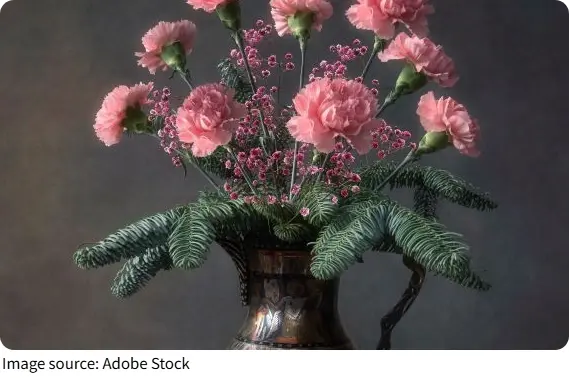
A china vase filled with flowers does not need museum-level precision to become memorable. Lykkers, focus on varied heights, one strong focal bloom, useful greenery, clean water, and regular small adjustments. The best still life is not frozen at all. It changes day by day, and learning to reshape it is part of the fun.