Plants
Your Garden’s Color Boost
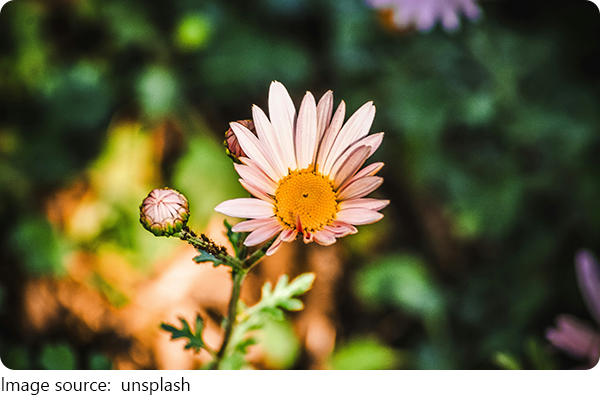
Lykkers, have you ever noticed how one flower can make an entire garden feel more cheerful? Cape Marguerite, commonly called African daisy and often associated with the genus Osteospermum, does exactly that with its bold petals, contrasting centers, and long flowering season.
Native to southern Africa, this sun-loving plant has adapted well to gardens in many regions because of its tolerance of dry conditions and preference for bright light. The right drainage, sunlight, watering rhythm, and pruning routine can make a noticeable difference in both foliage and flower production.
Start With Fast-Draining Soil
Cape Marguerite dislikes sitting in constantly wet soil. Its roots perform better in a loose growing medium where excess water can escape quickly after irrigation or rainfall. Sandy loam or another well-drained soil is particularly suitable. If the garden soil contains a lot of clay, incorporating mature compost and coarse material can improve its structure and drainage. Organic matter also supports steady growth without turning the planting area into a waterlogged environment.
Give It Plenty of Sunlight
Few factors influence flowering as strongly as light. Cape Marguerite grows most vigorously in a location that receives at least 6 hours of direct sunlight each day. Morning and midday sunshine encourage strong stems and abundant flower formation. In exceptionally hot climates, light afternoon shade can help reduce heat stress, particularly when temperatures remain high for long periods.
Water Deeply, Then Let the Soil Dry
Although established Cape Marguerite can tolerate periods of limited rainfall, drought tolerance does not mean the plant should remain dry indefinitely. Check the upper layer of soil before watering. When it has become noticeably dry, water thoroughly to moisten the root zone. The exact frequency depends on rainfall, temperature, soil type, plant size, and whether the flower is growing in the ground or a container.
Feed Lightly During Active Growth
Cape Marguerite does not require heavy feeding to produce attractive flowers. Excessive fertilizer can encourage soft, leafy growth at the expense of a balanced flowering display. A general-purpose flowering fertilizer applied according to its label directions can support growth during the active season. Slow-release products are another practical option because they provide nutrients gradually.
Plants growing in nutrient-rich garden soil may need very little additional feeding. Watch the plant rather than automatically fertilizing on a strict schedule. Pale foliage, weak growth, or poor flowering can sometimes indicate a nutritional issue, but inadequate sunlight or improper watering can also cause similar symptoms.
Protect It From Extreme Cold
Warm, bright conditions suit Cape Marguerite best. Growth is particularly comfortable when daytime temperatures remain moderate to warm, while cooler nights encourage a natural slowdown. Cold tolerance varies among species and cultivars, so a single temperature threshold should not be treated as universal. Frost and prolonged freezing conditions can cause serious damage, especially to young plants.
Prune for a Fuller Shape
Cape Marguerite can become leggy when growth is left unchecked, particularly when light levels are inconsistent. Pruning encourages branching and helps maintain a compact, attractive form. Trim overly long stems just above a healthy leaf node rather than cutting randomly through bare sections. Removing dead or damaged growth also keeps the plant looking tidy.
Choose the Right Garden Location
The colorful flowers work beautifully along borders, pathways, raised beds, slopes, and sunny containers. Their naturally rounded habit also makes them useful for filling spaces between taller plants. For a stronger visual effect, several plants can be grouped together while leaving enough room for mature growth and air circulation. Crowding plants too closely can increase humidity around the foliage and create conditions favorable to fungal problems.
Propagate From Healthy Cuttings
Cape Marguerite can be propagated from stem cuttings, although success depends on timing and cultivar. Choose healthy, non-flowering shoots with firm stems. Remove the lower leaves and place the cuttings into a clean, free-draining propagation medium. Keep the medium lightly moist rather than saturated and provide bright, indirect light while roots develop. Some cultivars may root more readily than others.
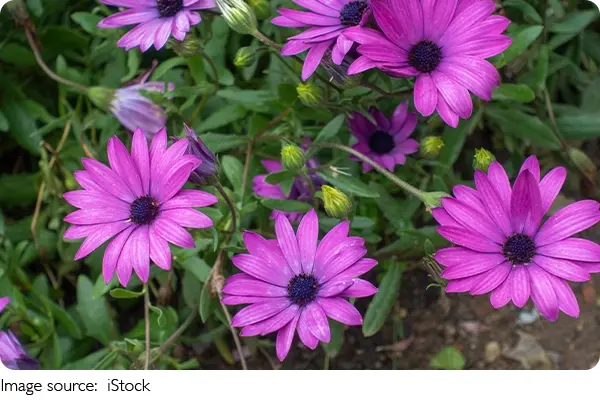
Growing Cape Marguerite successfully is less about following a rigid schedule and more about observing the plant. With attentive care, this South African native can turn an ordinary sunny corner into a lively display of color throughout its flowering season.