Plants
Gardening Smarter Not Harder
Planting flowers looks gentle, but a gardening session combines lifting, kneeling, gripping, reaching, digging, watering, and repeated transitions between the ground and standing. The useful question is therefore not simply how long you garden. It is how the work is arranged.
A few changes in sequence, tool placement, and planting method can reduce unnecessary effort while still getting a surprising amount done.
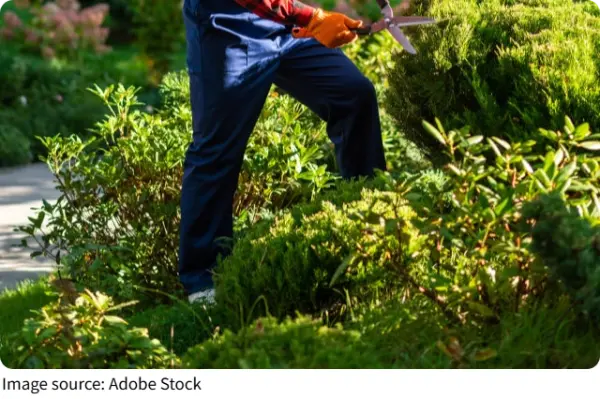
Start With the Heavy Jobs
Gardening often becomes tiring because tasks are completed in whatever order they appear.
Use energy in the right sequence
Do the work requiring the most lifting or digging earlier in the session, before repeated bending and carrying have accumulated.
Moving bags of compost, shifting pots, filling containers, and digging planting holes usually demand more whole-body effort than deadheading or light pruning.
A practical sequence is:
heavy moving → digging → planting → watering → small finishing jobs.
This does not make every gardening session easier, but it prevents a common mistake: saving the most demanding task until the body is already tired.
Bring the Work Up
The ground does not need to be the default working height.
Plants at waist level
If several flowers are going into containers, place the empty pots on a stable table or potting bench first.
You can fill, position, and adjust the plants there, then move the completed container only when necessary.
For heavier pots, another option is to place the container in its final location before filling it.
That reverses the usual sequence and avoids carrying a fully loaded container across the garden.
Use raised work selectively
Raised beds and elevated planters are particularly useful for crops or flowers that require frequent attention.
A plant you touch every few days benefits more from convenient height than one you inspect twice a season.
This makes access frequency a better design question than simply asking whether raised beds "look nicer."
Reduce Repeated Trips
A surprising amount of gardening effort comes from walking back and forth for forgotten tools.
Create a one-session kit
Before starting, collect only what the next task requires: perhaps a hand trowel, gloves, pruners, plant labels, and a small container for debris.
A bucket or lightweight caddy keeps these together.
The point is not perfect organization. It is reducing unnecessary transitions between garden, shed, hose, and planting area.
For larger jobs, a wheelbarrow can become a mobile work station rather than simply a transport tool.
Choose Tools by Leverage
Tool size changes how much force reaches your hands and wrists.
Longer handles change the job
A short hand trowel keeps you close to the soil but requires more bending.
A longer-handled cultivator or weeder lets you work from a higher position and transfers some effort through the arm and shoulder instead of concentrating it at the wrist.
Neither is universally better.
Use short tools when precision matters. Use longer tools for broader loosening, weeding, or reaching.
Grip size matters too
Very narrow handles can encourage excessive squeezing.
If you notice your fingers remaining tightly clenched around a tool, a thicker or padded grip may feel more comfortable.
That is a practical fit issue, not a sign that a tool is inherently "ergonomic" for everyone.
Plant Before Roots Dry
Work rhythm matters for plants as well as people.
Do not expose every root ball at once
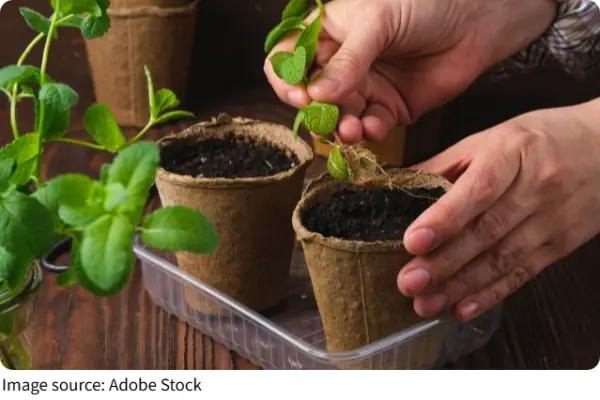
If several container plants are waiting to be transplanted, keep them in their pots until their individual planting holes are ready.
Removing all the plants first may leave roots exposed to sun and moving air while you continue digging.
Instead, prepare one or several holes, transplant promptly, then water the newly planted root zones.
If container soil is dry before planting, water it first rather than relying entirely on the first watering after transplanting.
Use a Position Cycle
Repeating one posture for a long period can be more tiring than alternating tasks.
Change the type of movement
After a period of kneeling or crouching, switch to a standing task such as watering, checking plants, or light pruning.
Then return to lower work if needed.
You do not need a rigid timer. The useful signal is repetition: if you have been making the same bend, reach, or grip for many minutes, change the task before discomfort becomes the only reason you stop.
A kneeling pad or low garden seat can also change pressure points during ground-level work.
Let the Garden Set the Pace
Hot, bright conditions change both plant and working conditions.
Use cooler periods strategically
Planting and transplanting are generally more comfortable during cooler parts of the day than under strong midday heat.
Recently disturbed roots also lose moisture more easily when conditions are hot and windy.
If the weather is harsh, shorten the planting session and leave decorative tasks, labeling, or tool cleaning for another time.
Protective clothing, shade, water, and breaks are part of garden planning rather than interruptions to it.
A productive gardening session is not defined by how long you stay outside. The more useful measure is how efficiently the work is arranged. Move heavy objects before filling them, bring repetitive jobs to a comfortable height, keep tools together, alternate body positions, and transplant plants promptly once roots are exposed. Small changes in sequence can make the garden feel less like a list of chores and more like a well-designed working space.