Plants
How Seeds Begin
Hi, Readers! Seeds may look tiny and quiet, but they carry a whole new plant inside them.
For many plants, seeds are the way one generation continues into the next. Each seed protects a young plant called an embryo, along with stored food that helps it begin growing.
The outside covering, called the seed coat, keeps the inside safe until conditions are right. When warmth, water, and air come together in a suitable place, the seed can begin the process of germination and start a new life.
What a Seed Contains
A seed usually has three main parts. First, there is the embryo, which is the very early form of the new plant. Second, a food supply supports the embryo as it begins to grow. Third, the seed coat helps protect the seed from drying out or being damaged before it is ready. These parts work together so that the plant has a better chance of surviving its first stage of life.
How Seeds Are Formed
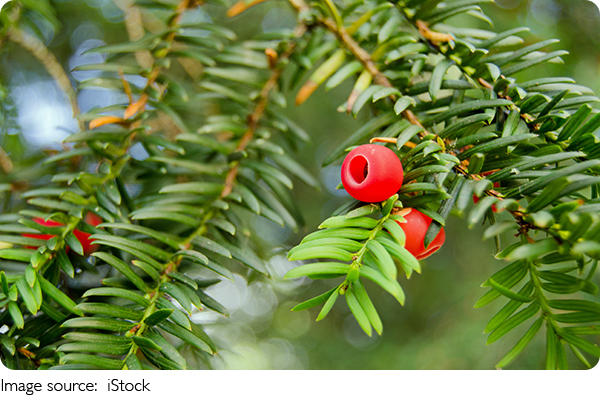
In flowering plants, the ovule develops into a seed within the flower's fruit-forming structure. In gymnosperms, the seeds develop without being enclosed in a fruit-like structure. Once mature, the seed contains the embryo and stored nutrients. This allows the next generation to remain protected and inactive until the environment supports growth.
How a Seed Starts Growing
The beginning of growth is called germination. This happens when the seed takes in water, and its internal activity starts again. The seed coat softens, and the embryo begins to grow. A root usually emerges first, helping the young plant anchor itself and take up water. Then the shoot grows upward toward light. Stored food inside the seed helps the seedling until it can make its own food.
How Seeds Spread
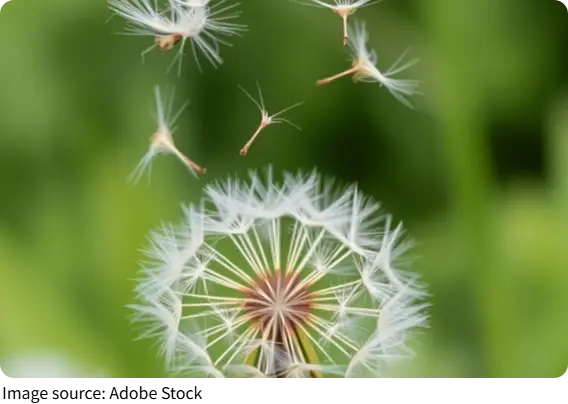
For plants to grow in new places, seeds often need to move away from the parent plant. This is called dispersal. Seeds can be carried by wind, water, or animals. Some are light and travel easily through the air, while others float or attach to fur. This spreading helps reduce crowding and gives seedlings a better chance to find space, light, and nutrients.
Why Seeds Matter
Seeds are an important means of plant reproduction because they protect the embryo and can remain inactive for a period before growth begins. This helps plants survive changing conditions and spread across different environments. In many plant groups, seeds are one of the main reasons plants can continue successfully from one generation to the next.
In the end, seed reproduction is a quiet but amazing process. A tiny structure holds protection, food, and the beginning of a whole new plant. The next time you see a seed, you might pause and think about the life waiting inside, ready for the right moment to grow.