Plants
How Plants Connect
Hi, Readers! Step into a garden for a moment, and it can feel wonderfully still, but plants are far from silent.
They do not chat the way people do, of course, yet research shows they can send and receive information through chemical cues in the air, through their roots in the soil, and through underground partnerships that link one plant to another. It is a gentle, hidden kind of communication, but it is very real and surprisingly sophisticated.
What plant communication means
Plant communication usually refers to the way plants detect signals from their surroundings and respond in ways that affect nearby plants. One of the clearest examples involves airborne chemicals. When a plant is damaged by insects, it may release compounds that nearby plants can detect. Those neighbors may then begin producing defensive chemicals of their own, almost like getting an early warning. Some plants also release scents that attract insects that feed on the pests attacking them, which adds another layer to how signals move through a living community.
Signals through roots and soil
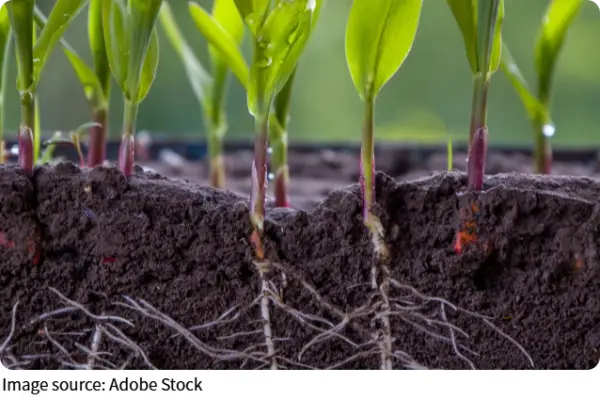
Roots are a major part of this story. Plants release many compounds into the soil around them, and these substances can influence the growth, chemistry, and behavior of nearby plants and soil microbes. Through root exudates, a plant can alter its local environment in ways that may help its own survival or affect competitors. In some cases, neighboring plants can detect these underground chemical changes and adjust their growth. So yes, communication through roots is possible, though it is not a conversation in the human sense. It is more accurate to think of it as signaling and response.
Underground networks matter too
Another fascinating pathway involves mycorrhizal fungi, which form partnerships with plant roots. These fungal threads can connect multiple plants underground, creating networks through which chemical signals and resources may move. This idea is sometimes described as a wood-wide web, though scientists are careful about how far that comparison should go. Research suggests connected plants may influence one another through these fungal links, especially when stress or damage is involved. Even so, the details are still being studied, and not every claim about plant networking has equal scientific support.
What scientists agree on and debate
There is strong evidence that plants perceive cues and respond to them in meaningful ways. Airborne signaling is well supported, and underground signaling through roots and fungal connections is also well supported. At the same time, researchers debate how intentional or complex these interactions are. Plants do not think or speak like people. Their signaling comes from chemistry, physiology, and ecological relationships shaped over time. That distinction matters, because it keeps the science clear while still allowing room for wonder.
Why this matters in everyday life
Understanding plant communication helps explain how forests, fields, and gardens function as connected systems rather than isolated individuals. It can shape farming, conservation, and the way people care for green spaces at home. If one plant under stress can influence another, then the health of a plant community depends partly on these hidden exchanges below and above the ground. That idea can make even a small garden feel more alive and interconnected than it first appears.

So, do plants really communicate through roots and chemical signals? Yes, they do, in quiet but remarkable ways. The science does not suggest tiny voices under the soil, but it does reveal living networks of cues, reactions, and partnerships. Next time you see a cluster of plants growing together, it may feel comforting to remember that beneath the surface, they are responding to one another in ways we are only beginning to understand.