Plants
Choosing the Right Vase!
A beautiful bouquet can look completely different depending on the vase holding it. The right container does more than simply hold water; it can support the stems, shape the arrangement, and complement the flowers and surrounding room.
With so many shapes, sizes, materials, and colors available, choosing one can feel surprisingly difficult. A few simple guidelines, however, can make the decision much easier.
Start With the Flower Height
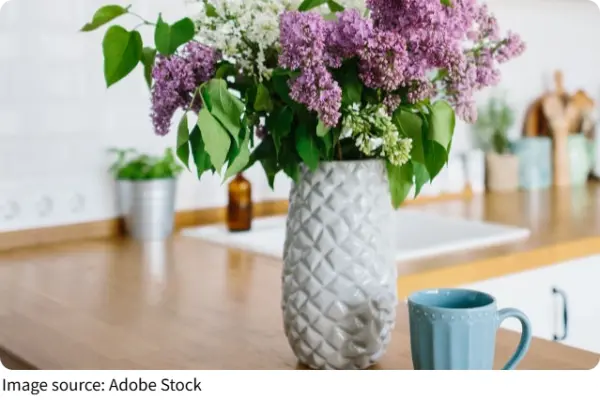
One of the easiest ways to choose a vase is to consider the flowers' height. As a general guideline, the flowers should be around one and a half to two times the height of the vase. This creates a balanced appearance without making the arrangement look too short or excessively tall.
Tall flowers such as gladioli and delphiniums can benefit from a tall, narrow vase that supports their stems while keeping the display elegant. Shorter arrangements usually work better with lower containers. The vase should also provide enough stability. Large, full blooms can make an arrangement feel visually heavy so that a heavier vase can provide better balance.
Pay Attention to the Vase Shape
The shape of the opening can affect how easily the flowers stay arranged. A vase with a relatively narrow neck can help prevent stems from spreading too widely, while a wider base gives the arrangement room to sit securely.
For a generous bouquet with plenty of foliage, a vase that becomes wider toward the bottom can provide useful support. Smaller groups of flowers, meanwhile, can work beautifully in compact containers with smaller openings. Think about the natural shape of the bouquet rather than forcing every flower into the same type of container. The vase should support the arrangement rather than compete with it.
Match the Vase to the Flowers
Different flowers create different visual effects, so the container can be selected to complement their character. Large, rounded blooms generally pair well with substantial containers, while delicate stems may look more natural in lighter, simpler vessels.
Consider the overall weight of the arrangement, too. A large bouquet needs a container that feels visually and physically capable of supporting it. A very delicate vase may look overwhelmed by a dense collection of large flowers. For tall, slender stems, a simple glass vase can keep attention on the flowers themselves. For fuller arrangements, a broader container can provide the structure needed to keep everything in place.
Choose a Color That Works
The color of a vase can either blend with the flowers or create contrast. There is no single correct approach, so consider the mood you want to create. A neutral vase can provide a calm background for colorful flowers, while a vase in a related shade can create a coordinated look. For something more noticeable, contrasting colors can make both the container and bouquet stand out.
Patterned vases can also work well, particularly when the surrounding room already has a relaxed or decorative style. The key is to make sure the vase and flowers feel connected rather than competing for attention.
Don't Forget Texture
Texture is another detail that can change the character of a flower display. Smooth glass tends to create a clean, simple appearance, while ceramic or textured containers can give an arrangement a more substantial feel. You can match textures for a coordinated display or deliberately mix them. For example, delicate flowers can be paired with a more textured container to create visual contrast.
Try More Than Traditional Vases
A traditional flower vase is not the only option. Bowls, pitchers, tumblers, and other water-safe containers can sometimes work just as well, depending on the flowers and the look you want. Several small vessels can also be useful for a long table. Shorter arrangements can add color without creating a tall barrier across the center of the table, while varying the height of individual stems can add interest.
Before using an alternative container, make sure it can safely hold water and provide enough support for the stems. The practical needs of the flowers should always come before decoration.
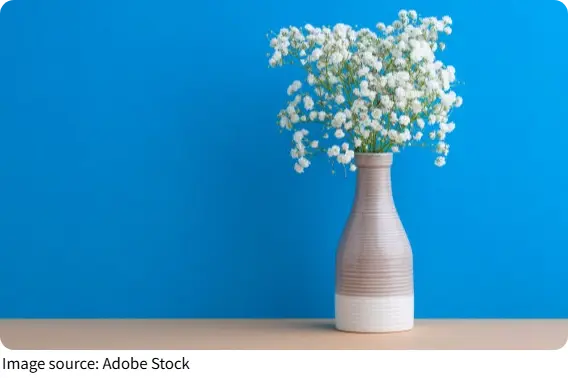
Choosing the right vase becomes much simpler when the flowers come first. Look at their height, weight, shape, and overall character, then find a container that provides suitable support while complementing the display. From a simple glass vessel to a textured ceramic piece, the best choice is one that lets the flowers remain the focus while giving the arrangement a balanced, intentional appearance.