Plants
Indoor Bulbs That Bloom
Bulbs are often associated with outdoor flower beds, but many can also grow successfully indoors. With the right light, container, and growing conditions, bulbs can bring colorful blooms and fresh greenery into living spaces.
Some are especially suited to indoor growing because they can thrive in containers and produce impressive flowers without requiring much space.

Amaryllis for Bold Blooms
Amaryllis is one of the most popular bulbs for growing indoors, and it is easy to see why. Its tall stems produce large, trumpet-shaped flowers that can become a striking focal point in a room. The bulb does not need to be completely buried in soil. When planted in a container, the upper portion of the bulb is generally left above the growing medium. Choose a container with drainage holes and place it somewhere bright.
Paperwhites for Quick Flowers
Paperwhites are a type of narcissus that can be grown indoors and are known for producing clusters of small, fragrant flowers. They are particularly useful when a quick indoor display is wanted.
Paperwhite bulbs can be grown in potting mix or in containers using suitable stones or another stable growing medium. They need plenty of light once growth begins. A bright windowsill can provide an attractive location while allowing the emerging stems and flowers to be enjoyed up close. Their narrow leaves and slender stems also give them a light, graceful appearance that works well in simple containers.
Hyacinths for Fragrance
Hyacinths can bring both color and fragrance to an indoor space. Their dense flower clusters sit on sturdy stems, creating a fuller appearance than many other bulb flowers.
For indoor growing, choose firm, healthy bulbs and use a container that allows excess water to drain. Hyacinths prefer bright conditions while they are growing, but they should not be placed directly beside a strong heat source. Their fragrant flowers can make them especially appealing for areas where their scent can be appreciated. However, people who prefer subtle fragrances may want to keep the number of flowering bulbs to a minimum.
Tulips for a Classic Display
Tulips can also be grown in containers indoors, although they generally require proper preparation before they flower. Many indoor tulip displays use bulbs that have been given a period of cool conditions to encourage flowering. Once planted and growing, tulips need good light to help produce strong stems. A container with enough room for the bulbs and good drainage is important.
Tulips come in many shapes and colors, allowing you to create anything from a simple single-color display to a more varied indoor arrangement. Their upright flowers also work well on tables, shelves, and windowsills.
Daffodils Add Cheerful Color
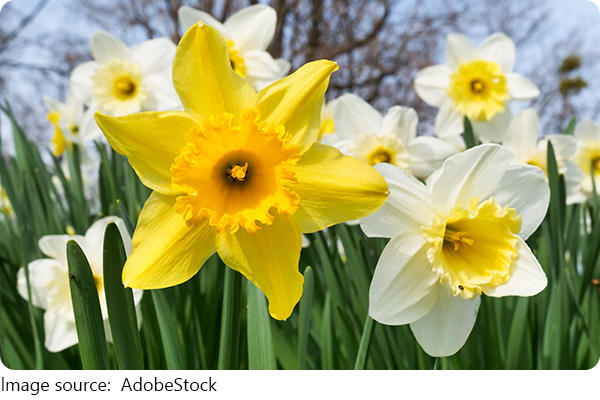
Daffodils are another option for growing bulbs indoors. Their bright flowers can bring a cheerful touch to a room, and several varieties are suitable for container cultivation. Like other indoor bulbs, daffodils need a container that drains properly. Place them somewhere with plenty of natural light as the leaves and flower stems develop.
Choose the Right Container
The container is just as important as the bulb. Look for one with drainage holes and enough space to accommodate the bulbs without overcrowding them. Excess moisture can cause problems, so good drainage should always be a priority. The appearance of the container also matters.
A simple design can keep attention on colorful flowers, while a decorative container can become part of the display itself. If a decorative container lacks drainage, use it as an outer cover for a suitable growing container rather than planting directly inside it.
Give Indoor Bulbs the Right Care
Most flowering bulbs need bright light while actively growing. However, the exact requirements vary by plant, so it is useful to check the specific bulb's needs before planting. Water carefully rather than keeping the growing medium constantly saturated. Allow excess water to drain away, and avoid leaving the container standing in water.
Temperature can also affect flowering. A comfortable indoor environment is generally suitable for many bulbs, but placing them next to radiators, heaters, or other sources of intense heat can cause flowers to fade more quickly.
Growing bulbs indoors is a simple way to add seasonal color and interest to a home. With a suitable container, bright light, careful watering, and attention to each plant's needs, bulbs can become rewarding additions to an indoor plant collection.