Plants
Blooms by Season
Hello, Lykkers! A flower market is never the same twice. The stalls change, the colors change, and the scents change. What you find in early spring is not what you find in late summer. This is part of what makes flower markets so enjoyable. They follow the natural rhythm of the year.
Understanding these seasonal shifts helps you choose better flowers, get better prices, and enjoy the market more. Here is how flower markets change through the seasons and what to look for.
Spring: The Season of Beginnings
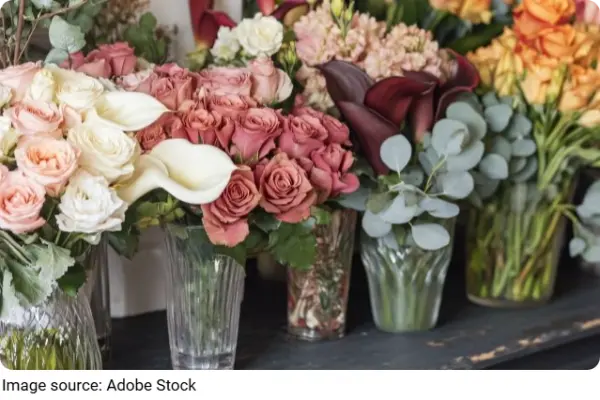
Spring is when flower markets start to fill again after the quieter winter months. Early spring brings tulips, daffodils, hyacinths, and narcissus. These are the first signs that the season is turning, and they are usually abundant.
As spring progresses, more variety appears. You will start to see ranunculus and early roses. Lilacs and jasmine also arrive, bringing some of the strongest fragrances of the year. Spring flowers tend to be lighter in color. Soft pinks, whites, yellows, and pale greens dominate the stalls. This makes spring arrangements feel fresh and delicate.
Summer: Abundance and Color
Summer is the most abundant season at flower markets. The range is wide, and prices are often lower because so much is in bloom at once. This is the time for sunflowers, dahlias, cosmos, zinnias, and lavender.
Summer flowers tend to be brighter and bolder. Strong yellows, oranges, deep pinks, and purples fill the stalls. This is also the season for wildflowers and mixed bunches, which many vendors sell at lower prices.
One thing to watch in summer is heat. Flowers wilt faster in warm weather, so it helps to visit markets earlier in the day. Vendors often keep delicate blooms in shade or cool water to protect them.
Autumn: Warm Tones and Texture
Autumn brings a shift in color and texture. The bright summer blooms fade, and warmer tones take over. You will see chrysanthemums, dahlias, and late roses, along with dried flowers and branches.
Autumn markets often include more textural elements. Seed heads, berries, and dried grasses appear alongside fresh flowers. This makes autumn arrangements feel fuller and more grounded.
Pumpkins and gourds may also appear at some markets, adding to the seasonal feel. Prices are usually moderate, as supply is still good but demand begins to shift.
Winter: Quiet and Elegant
Winter is the quietest season at flower markets. Fewer flowers are in bloom, so the selection is smaller. What remains tends to be elegant and long-lasting. You will find amaryllis, paperwhites, and forced bulbs, along with evergreen branches, eucalyptus, and dried stems.
Winter colors are cooler and more subdued. Whites, deep reds, greens, and silvery tones dominate. This makes winter arrangements feel calm and refined.
Prices can be higher in winter because supply is lower. However, winter flowers often last longer, so the value is still good if you choose carefully.
How to Shop by Season
A few simple habits help you get the most from any season.
Buy what is in abundance. When a flower is at its peak, it is usually cheaper and fresher. Avoid flowers that seem out of season, as they are often more expensive and may have traveled a long way.
Ask vendors what is local. Local flowers are often fresher and better suited to the current weather. They also tend to last longer once you bring them home.
Change your expectations. Do not look for the same flowers all year. Instead, enjoy what each season offers. This keeps flower buying interesting and helps you appreciate the natural cycle.
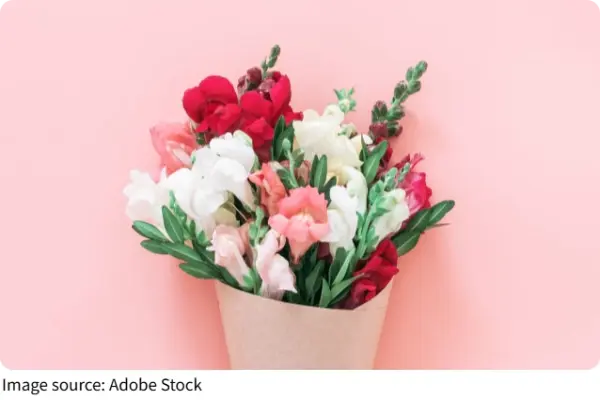
Flower markets change with the seasons, and that is part of their appeal. Spring brings softness and new beginnings. Summer brings abundance and color. Autumn brings warmth and texture. Winter brings calm and elegance. By shopping with the seasons instead of against them, you get better flowers, better prices, and a deeper connection to the natural rhythm of the year. Visit your local market often, and let the seasons guide your choices.