Plants
Geraniums Bloom Longer
Lykkers, imagine stepping onto your balcony each morning and seeing colorful geraniums covered in fresh flower clusters. With a few simple habits, we can encourage these cheerful plants to grow fuller and bloom for longer.
The key is to balance pruning, feeding, watering, and sunlight. By adjusting our care to the seasons, we can enjoy healthy leaves and beautiful flowers throughout much of the year.

Prune for Fuller Growth
Pruning helps geraniums develop side branches, creating a fuller shape with more places for new flowers to grow. When a young plant reaches around 4 inches tall, gently pinch off its growing tip with clean fingers or small garden scissors. This encourages side shoots rather than allowing a single central stem to grow too tall.
Once a flower cluster fades, remove its stem near the base. This keeps the plant from spending unnecessary energy producing seeds and helps it focus on new growth. Use clean, sharp scissors to make neat cuts and avoid damaging nearby stems.
Older geraniums can develop thick, hardened branches. In spring, shorten selected old stems to around 4 inches, leaving healthy growth wherever possible. Avoid cutting away too much at once, as the leaves help the plant recover.
After pruning, wait until fresh shoots appear before feeding. This gives the plant time to recover and begin growing again.
Feed Flowers at the Right Time
Geraniums need nutrients to support healthy leaves, strong stems, and abundant blooms. During mild spring and autumn weather, apply a liquid fertilizer designed for flowering plants. Follow the package instructions for dilution and frequency, because excessive feeding can damage roots rather than encourage better growth.
When flower buds begin to appear, choose a fertilizer suitable for flowering plants, with an appropriate balance of phosphorus and potassium. These nutrients support flower development, while nitrogen helps maintain healthy foliage.
Before applying fertilizer, check the soil. Slightly moist soil is generally preferable to completely dry soil, as the latter can increase the risk of root damage. Avoid feeding plants that are severely wilted or struggling with extreme temperatures.
During very hot summer weather or cold winter conditions, growth may slow considerably. Reduce or pause feeding when the plant is not actively growing, then resume gradually when conditions improve. Organic materials should be fully decomposed before use, as unfinished material can disturb roots and attract insects.
Water According to Soil Conditions
Geraniums generally prefer well-drained soil rather than constantly wet roots. Too much moisture can lead to root problems, so we should check the growing medium before reaching for the watering can.
Insert a finger about 1 inch into the soil. If the upper layer feels dry, it may be time to water. We can also occasionally lift the container to see how much lighter it becomes as the soil dries.
Water slowly until excess moisture flows through the drainage holes. Empty the saucer afterward so the roots do not sit in standing water. During rainy weather, check that the holes remain clear and move containers under shelter if necessary.
Watering frequency depends on temperature, sunlight, container size, and soil type. Warm, sunny conditions may require more frequent watering, while cool winter weather usually calls for less. Rather than following a rigid schedule, let the soil guide us.
In winter, use water close to room temperature and avoid soaking the growing medium. The goal is to keep the roots lightly supplied with moisture without leaving them waterlogged.
Provide Light and Comfortable Temperatures
Light plays a major role in flower production. During spring and autumn, geraniums generally benefit from several hours of direct sunlight each day. A bright balcony or sunny windowsill can help the stems grow sturdily and encourage more buds.
Summer requires extra care. Strong afternoon sunlight and high temperatures can scorch leaves. Move containers into a spot with afternoon shade or use a shade screen during the hottest hours. Morning sunlight often provides a useful balance.
Many geraniums grow well in temperatures around 59–77°F. When temperatures rise above 86°F, protect plants from intense heat and check soil moisture more often. Before winter temperatures approach freezing, move sensitive varieties into a bright, sheltered indoor space.
Good airflow also helps keep foliage healthy. Open nearby windows when conditions allow, and rotate containers every week or two so different sides receive sunlight. This simple habit encourages more balanced growth.
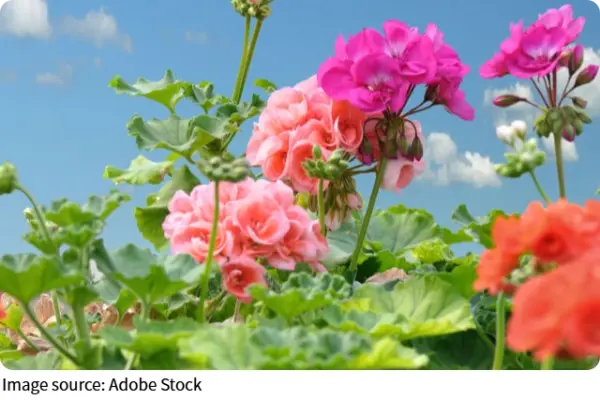
Healthy geraniums do not require complicated routines. By pruning thoughtfully, feeding at suitable times, checking soil moisture, and providing enough light, we can encourage fuller plants and longer-lasting flowers. Observe how each plant responds and adjust our care as the seasons change.