Animal
Icelandic Horses Up Close
In South Iceland, green pastures, distant mountains, and the dramatic Seljalandsfoss waterfall create a beautiful setting for spotting Icelandic horses. These compact, sturdy animals are known for their thick manes, varied coat colors, and distinctive movements. Watching them graze can become a memorable part of a journey along Iceland's Ring Road.
However, horses in roadside fields are domesticated animals, not wildlife available for unrestricted interaction. Their pastures are often private property, and unfamiliar horses may react unpredictably. The most rewarding encounters begin with quiet observation, respectful distance, and an understanding of how these remarkable animals behave.
Discover What Makes Icelandic Horses Special
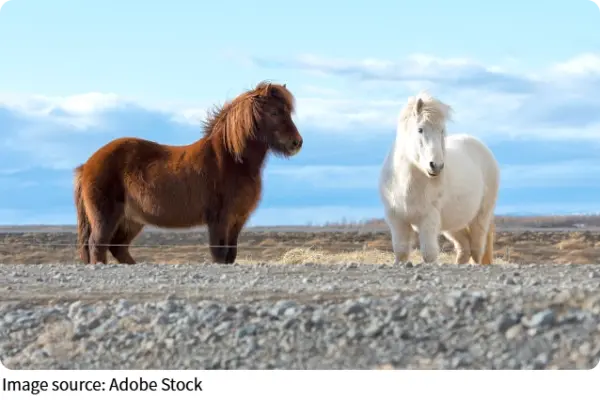
Icelandic horses are recognizable by their compact bodies, strong legs, and often abundant manes. Although many are similar in size to ponies, they are classified as horses. Their mature height varies, with many standing around 130 to 150 centimeters at the withers.
Their relatively small size does not make them weak or automatically suitable for beginners. Icelandic horses are powerful animals with individual personalities, training histories, and temperaments.
The breed is also famous for its additional gaits. In addition to walking, trotting, and cantering, Icelandic horses can perform tölt, a smooth four-beat gait. Some also perform flying pace, a fast two-beat lateral gait with a moment of suspension. Not every horse performs all five gaits, making supervised riding experiences especially interesting for visitors.
Observe Their Behavior From a Distance
Watching horses interact can reveal fascinating details about their behavior. Some graze quietly, while others move together, groom one another, or respond to activity around the pasture.
Pay attention to the entire animal rather than relying on one signal. Ears, posture, head movement, and changes in distance can provide clues about its attention or discomfort. A horse that turns away or moves farther from visitors should be given more space.
Avoid walking between horses or attempting to attract their attention with sudden movements. Even an apparently relaxed animal can react quickly to another horse, an unexpected sound, or nearby activity.
Quiet observation allows horses to continue their normal routines without unnecessary disturbance.
Respect Fences and Avoid Feeding
A roadside pasture is not an invitation to enter. Fences mark important boundaries, and the land may be privately owned. Never climb over fencing, open gates, or enter fields without explicit permission.
Avoid reaching through fences to touch horses, even when they approach voluntarily. Some enclosures contain electric fencing, and unfamiliar animals may react unexpectedly.
Feeding is another important concern. Do not offer bread, fruit, grass, or other snacks unless the person responsible for the horse specifically allows it. Individual horses may have dietary restrictions, and hand-feeding can encourage crowding or biting.
Keeping food packed away and remaining outside the enclosure protects both visitors and animals.
Photograph Horses Without Disturbing Them
Icelandic horses are wonderful subjects for photography, particularly against green pastures, volcanic landscapes, and distant mountains. Their expressive faces and thick manes offer plenty of detail without requiring close contact.
Use a zoom lens or your camera's zoom function to photograph them from a respectful distance. Avoid shouting, waving objects, or making sudden noises to force a horse to look toward the camera.
Look for natural moments instead. A horse lifting its head, walking across a field, or standing against a mountain backdrop can create a compelling image.
Remain on public paths and permitted roadside stopping areas. Never block traffic, enter private fields, or cross fences for a better angle.
Choose Supervised Riding for Close Encounters
Visitors who want closer interaction should consider an established riding stable or guided horseback excursion. Experienced handlers can explain safe behavior, introduce suitable horses, and provide instructions before riding.
Tell the operator about your riding experience, including whether you are a complete beginner. A responsible provider can recommend an appropriate horse and route.
Children should remain under supervision around horses. Avoid lifting them toward unfamiliar animals or allowing them to reach through fencing.
During a guided session, follow instructions about approaching, grooming, mounting, and handling the horse. Although tölt is known for its smooth movement, riders still need balance, suitable equipment, and guidance.
A supervised experience provides a more controlled introduction to the breed than approaching roadside horses.
Stay Safe Around Seljalandsfoss
Seljalandsfoss is a waterfall approximately 60 meters high, located near Iceland's Ring Road. Its surrounding landscape provides beautiful views, and horses may sometimes be visible in nearby pastures.
However, waterfall sightseeing and horse observation require separate safety considerations. Spray can make paths slippery, while freezing conditions may create ice around the falls.
The walking route behind Seljalandsfoss can be particularly hazardous during icy weather and may close when conditions are unsafe. Always respect barriers and local instructions.
Wear sturdy footwear with good grip and bring waterproof clothing when exploring the waterfall area.
If horses are visible beyond the visitor paths, admire them from permitted locations rather than crossing fields. Safe distances and respect for private property are essential throughout the visit.
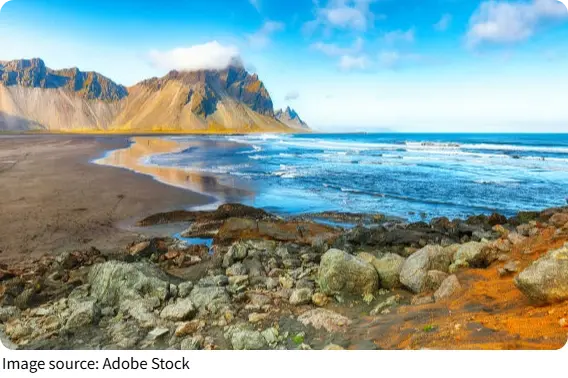
Icelandic horses bring a distinctive charm to South Iceland's dramatic landscapes. Their compact appearance, remarkable gaits, and individual personalities make them fascinating animals to observe, especially around the green pastures near Seljalandsfoss.
The best encounters are respectful ones. Stay outside private fields, avoid feeding or touching without approval, and choose supervised riding for closer interaction.
With patience and a little distance, watching these horses against Iceland's mountains and waterfalls can become one of the journey's most memorable experiences.